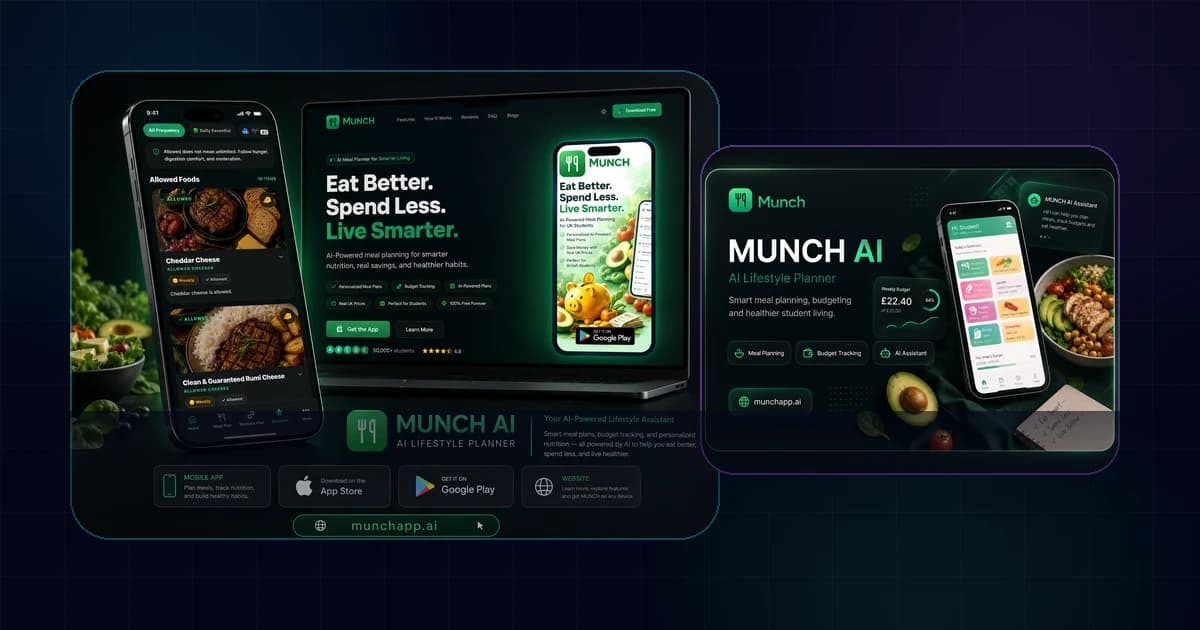
Product strategy + mobile UX
Define users, core journeys, Arabic and English behaviour, MVP boundaries and measurable product outcomes before deep engineering begins.
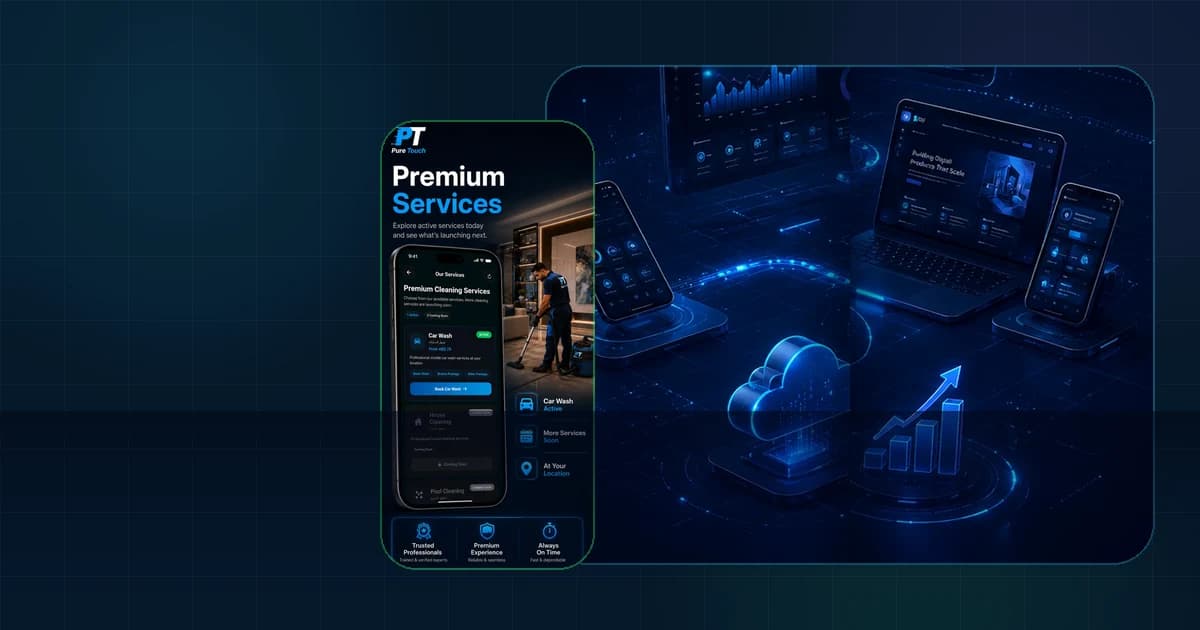
Build a mobile product people can use, operate and improve after launch.
TAS designs and delivers connected mobile products for Saudi organisations—from product discovery and bilingual UX to React Native engineering, backend systems, payments, analytics, App Store and Google Play release, and post-launch support.
What TAS can build
Define users, core journeys, Arabic and English behaviour, MVP boundaries and measurable product outcomes before deep engineering begins.
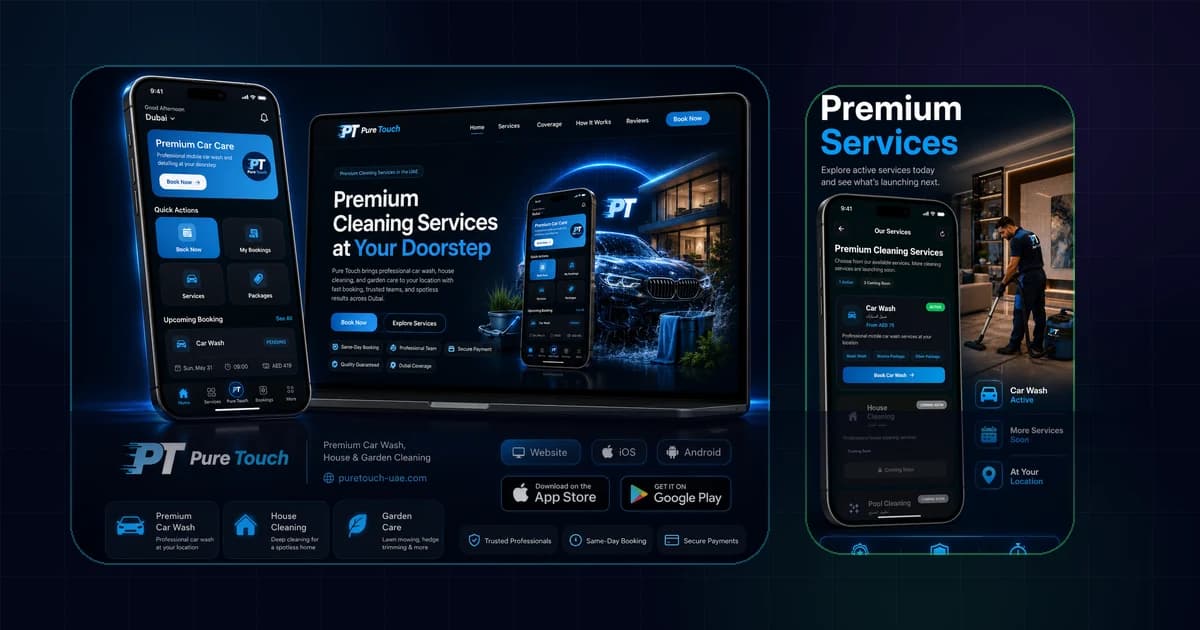
Build connected mobile experiences for iOS and Android with React Native where it fits, plus platform-specific handling when a requirement needs it.

Connect accounts, APIs, databases, subscriptions, payments, notifications, admin workflows and event analytics into the same product system.
Launch one product experience across the mobile journeys your users actually need.
Reduce delivery risk by clarifying scope, integrations and operational ownership before development expands.
Support Arabic and English journeys as product requirements rather than last-minute translation work.
Connect the mobile interface to the backend, admin tools and analytics required to operate it after release.
Delivery scope
Product discovery, scope and MVP definition
Mobile UX/UI design and interactive prototypes
React Native mobile application development
iOS and Android release delivery
Authentication, accounts and role handling
Backend APIs, databases and admin tools
Payments, subscriptions and booking workflows
Push notifications, analytics and event tracking
App Store and Google Play release preparation
Post-launch monitoring, fixes and roadmap support
Where it fits
Give customers a structured way to browse services, manage accounts, book, pay and receive updates while staff operate the workflow through connected systems.
Create repeat-use mobile journeys around products, memberships, subscriptions, customer accounts, payments and lifecycle communication.
Support field teams, partners or employees with role-based mobile workflows connected to APIs, dashboards and operational data.
Turn a product concept into a focused first release that proves the core journey before the roadmap expands into low-priority features.
Delivery model
Define users, business outcome, core journeys, Arabic/English needs, data, integrations, constraints and the first-release boundary.
Map navigation, screen states, onboarding, permissions, errors and bilingual behaviour so expensive assumptions are tested before deep implementation.
Plan mobile architecture, APIs, authentication, backend services, admin tools, analytics and external integrations, then build complete user journeys iteratively.
Test devices, performance, permissions, account states, payments, privacy, crash handling, store metadata and reviewer access before submission.
Release, monitor product and operational signals, stabilise the first version and prioritise the next roadmap items from actual usage and business evidence.
Pricing & scope
TAS does not publish a fake one-size-fits-all price. A useful estimate depends on the workflow, users, integrations and delivery responsibilities below.
Saudi market coverage
TAS can support teams operating in Riyadh, Jeddah, Dammam and other Saudi locations. Remote delivery and any on-site requirements are agreed during discovery; this page does not imply a Saudi office address.
Selected TAS work
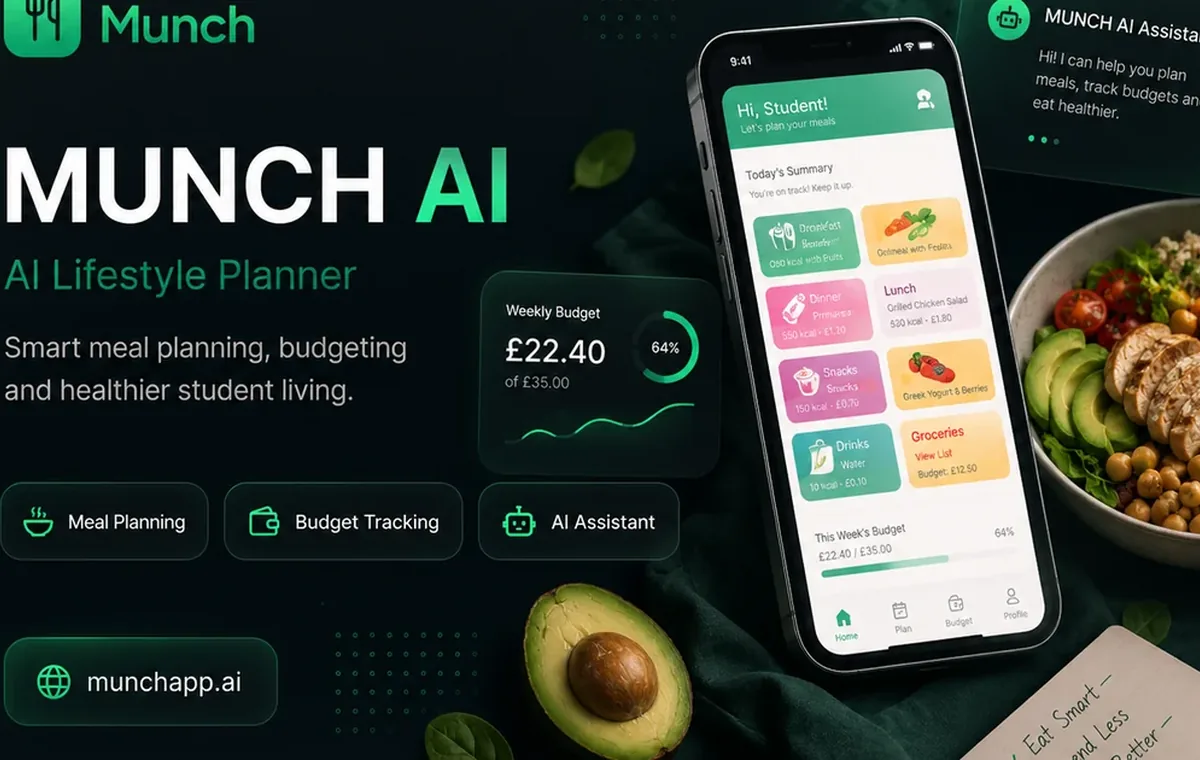
These TAS projects demonstrate web, mobile, product and operational delivery patterns. They are shown as portfolio evidence and are not presented as Saudi client projects unless a case study explicitly says so.


Research before you buy
Related services
Buyer questions
A production mobile app can include product discovery, UX/UI, iOS and Android delivery, authentication, backend APIs, databases, payments, notifications, analytics, admin tools, store submission and post-launch support. The useful scope depends on the real user journey and operating model rather than a fixed feature package.
TAS publicly presents mobile delivery across iOS and Android and lists React Native as part of its mobile capability. The exact architecture is confirmed during discovery because some products need more platform-specific work than others. Technology is selected around the product requirements and long-term ownership rather than a generic framework ranking.
Yes. Arabic and English should be designed into navigation, content, component states and right-to-left/left-to-right behaviour from the beginning. Teams also need a clear process for maintaining bilingual content after launch so one language does not become stale or incomplete.
Cost varies with product scope, platforms, user roles, backend complexity, integrations, payments, bilingual UX, device features, QA and support. TAS does not publish a fake universal price. Use the dedicated mobile app cost guide to understand the cost drivers, then request a scoped estimate for the actual product.
Yes when the target system provides suitable APIs, connectors or controlled data access. TAS reviews authentication, data models, API limits, failure handling and provider ownership before committing the architecture. An integration should not be promised until the external system and access requirements have been technically verified.
Yes. Release work can include store assets, metadata, technical readiness, account coordination, testing and submission support. Apple and Google control their own review processes, so a responsible delivery plan prepares for review but does not guarantee an exact approval date or outcome.
Ready to scope it?
Share the users, current tools, main bottleneck and desired outcome. TAS can tell you what needs clarification before a build should start.
Mobile product proof
A Saudi mobile app brief is easier to scope when the first conversation includes the users, journeys, iOS/Android requirement, backend responsibilities, integrations and release target.
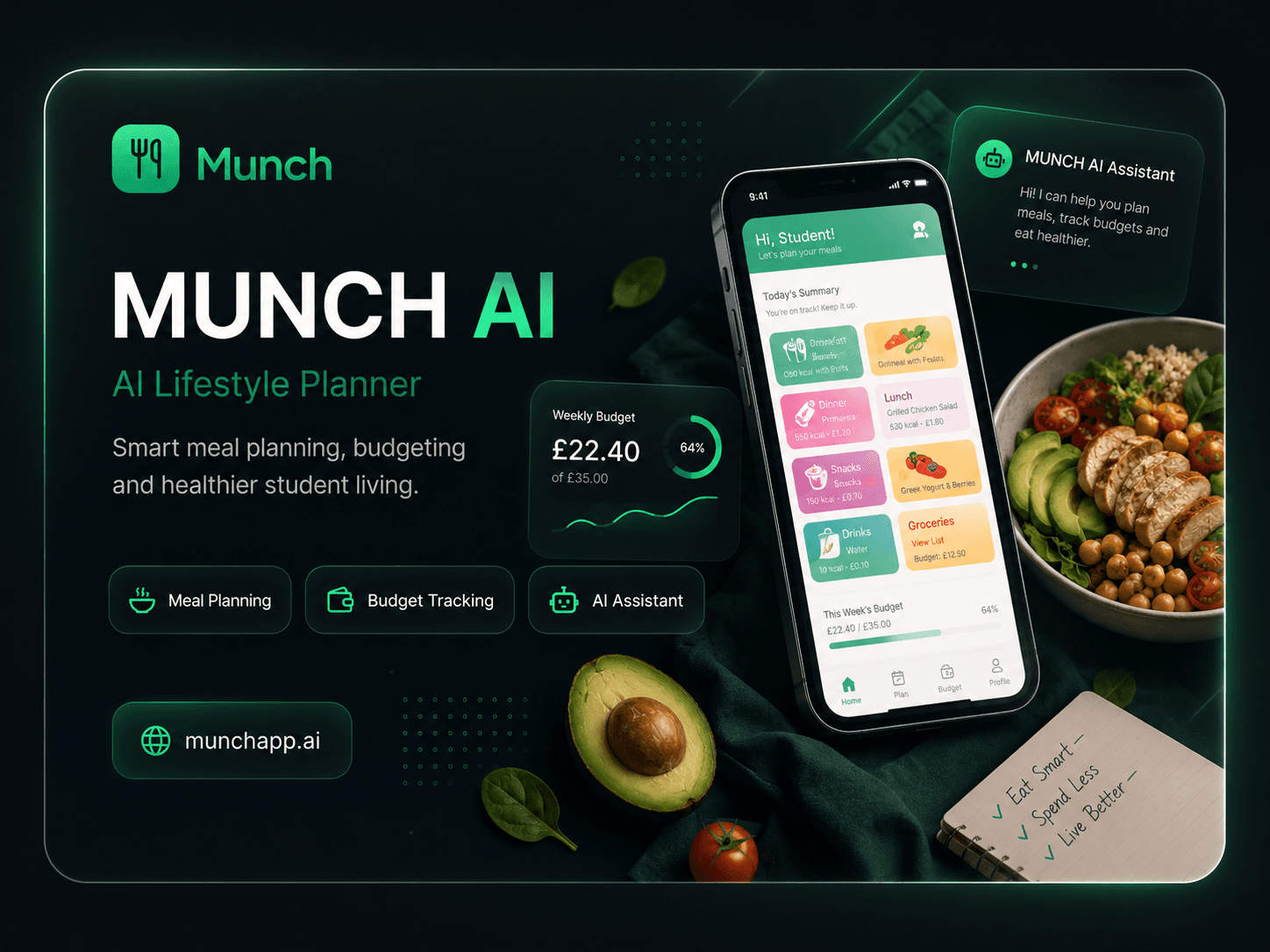
Mobile app · AI product · subscriptions
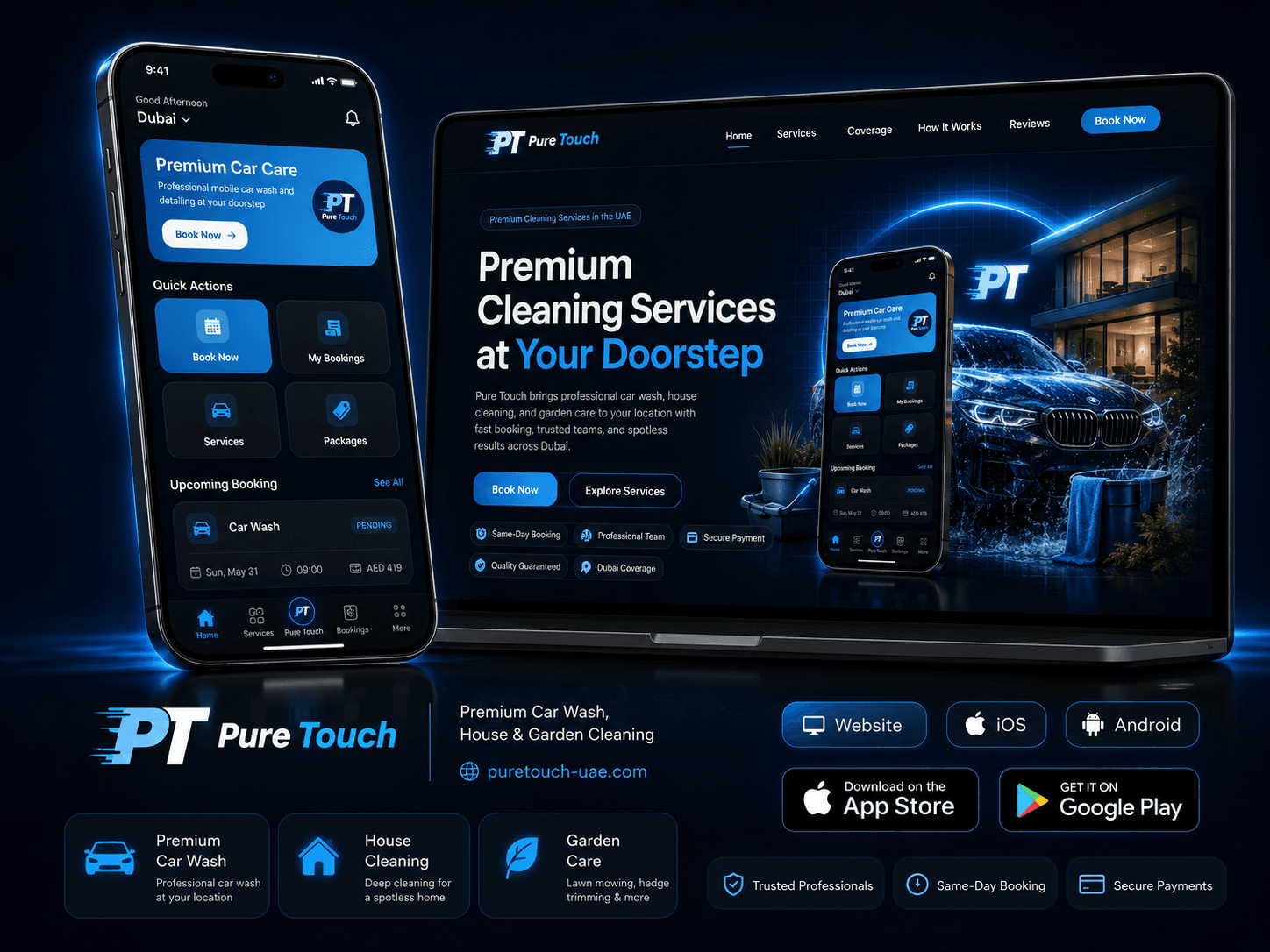
Mobile app · bookings · payments · operations

Mobile experience · marketplace · learning workflows