
Mobile App Development Cost in Saudi Arabia: How to Budget in 2026
Use this guide to compare mobile app quotes by the work included—product design, mobile engineering, backend, integrations, QA, release and support—rather than assuming one Saudi market average applies to every product.
Quick Answer
The honest price is a scope, not a headline range
Public 2026 Saudi app-cost guides publish dramatically different ranges because they are describing different products and delivery models. A useful budget starts by defining the first release, user roles, platforms, backend, integrations, design quality, Arabic/English needs, testing, store release and post-launch support, then comparing suppliers against that same scope.
Key Takeaways
What matters before the build begins
These points define the decision behind the search query and keep the project grounded in business value.
Do not compare quotes until the feature boundary and backend responsibilities match.
A two-screen prototype and a production app with accounts, payments and operations are different purchases.
Cross-platform delivery can reduce duplicated implementation, but it does not remove backend, QA or product-design work.
Arabic/English UX, integrations and data requirements can materially change effort.
Store release, analytics, monitoring and maintenance should be visible line items rather than assumed freebies.
Public pricing pages are market examples, not TAS prices or official Saudi benchmarks.
Why Prices Vary
Why Saudi mobile app estimates differ so much
Current Saudi search results show public cost guides quoting everything from relatively small MVP budgets to enterprise projects exceeding seven figures in SAR. That spread is not proof that one provider is right and another is wrong. It usually means the guides use different definitions of “app”, different team models and different assumptions about design, backend, integrations, compliance and support.
The useful buyer question is therefore not “what is the average app price?” but “what exact work is included in this number?” Ask for the user journeys, platforms, design deliverables, backend services, third-party integrations, testing, store release and support period to be listed. Without that detail, two prices cannot be compared fairly.
| Cost driver | Lower-complexity case | Higher-complexity case |
|---|---|---|
| Product scope | One focused journey and limited roles | Multiple roles, workflows and edge cases |
| Mobile delivery | Shared cross-platform architecture | Heavy platform-specific behaviour or multiple apps |
| Backend | Simple managed services or limited API layer | Custom business logic, complex data, integrations and admin |
| Design | Established design system and familiar patterns | Custom research, prototyping, motion and complex states |
| Integrations | Few mature APIs | Payments, identity, ERP/CRM, maps, messaging or legacy systems |
| Quality/release | Focused device matrix and straightforward stores | Regulated flows, extensive devices, security reviews and staged releases |
| Support | Basic warranty and planned updates | Ongoing product team, monitoring, SLA and roadmap work |
Market Context
Use public price ranges as context, not as a quote
Several current 2026 Saudi guides publish price ranges, but the numbers differ by more than an order of magnitude. That is useful evidence that “mobile app cost Saudi Arabia” is not a single product category. A buyer should treat public ranges as rough context and request a scoped estimate for the actual product.
TAS does not convert those competitor ranges into a house price list. Instead, the commercial mobile app page asks for the real user flows and integrations before quoting. This avoids the common problem of advertising an attractive starting number that excludes the backend, admin, bilingual UX or launch work the product actually requires.
Real Project Visuals
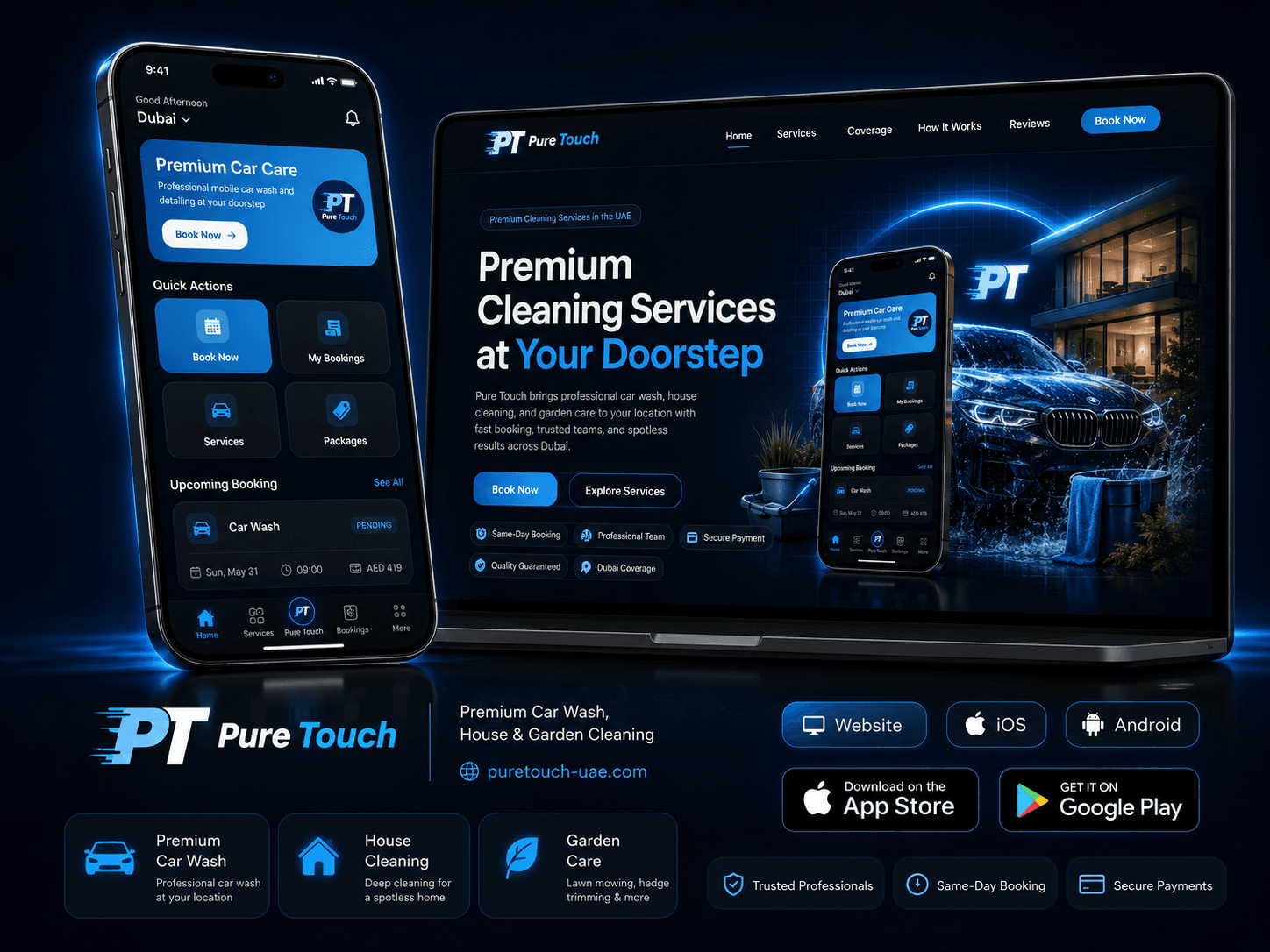
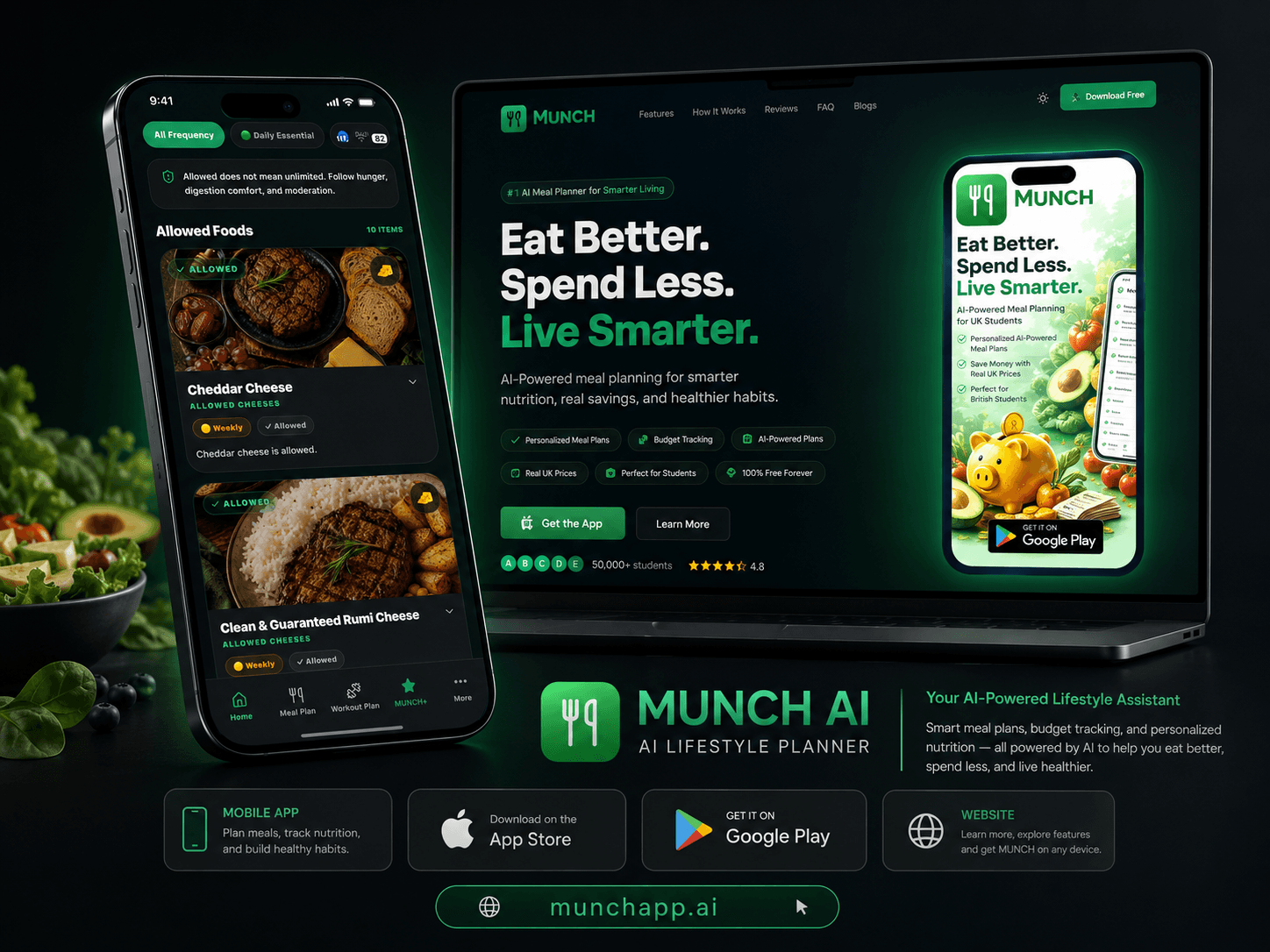
Mobile products and connected systems delivered across different business models

Quote Anatomy
What a useful mobile app quote should separate
A quote becomes easier to evaluate when the work is separated into product discovery, UX/UI, mobile engineering, backend/API work, integrations, QA, release and post-launch support. Some suppliers bundle these items; others exclude them or assume the client will provide them.
Also clarify ownership. Ask who owns source code, repositories, cloud resources, Apple and Google accounts, design files, analytics and third-party subscriptions. A low initial build price can become expensive if the organisation cannot safely operate or move the product later.
Discovery + UX
User journeys, wireframes, prototype, technical discovery and scope definition.
Mobile engineering
Screens, application state, device features, platform-specific behaviour and accessibility.
Backend + integrations
Authentication, APIs, databases, admin, CRM/ERP, payments and third-party services.
QA + release
Device/browser testing, analytics, store preparation, review support and production deployment.
Planning Check
Need help turning the requirement into the right scope?
Share the mobile product goal, target users, iOS and Android needs, languages, payments, integrations and target release. TAS can help you define a focused first release and the connected backend it needs.
Ask TAS on WhatsAppBudget Control
Ways to reduce cost without creating a weak product
The strongest cost lever is usually scope, not visual polish. Reduce the first release to the smallest set of journeys that proves the product can create value. Keep the backend architecture ready for expansion, but avoid building speculative features before users or operations demonstrate the need.
Reusing a clear design system and mature services can also reduce effort. However, “cheap” shortcuts that create fragile authentication, payment or data handling can make the second release more expensive than building a clean foundation from the start.
Cost-control checklist
- Rank features as must-have/later/unknown
- Define one measurable MVP outcome
- Use one product design system
- Reuse mature APIs where they fit
- Avoid duplicate iOS/Android logic when a shared approach is suitable
- Confirm admin needs before launch
- Plan analytics early
- Keep developer/store accounts under business ownership
Procurement
How to compare two mobile app proposals
Normalize the proposals before comparing totals. Create one table with the same deliverables and mark whether each supplier includes, excludes or assumes them. If one quote includes discovery, custom UX, backend, admin, store release and three months of support while another includes only mobile screens, the total price tells you almost nothing.
Ask each team to name the largest assumptions and the likely causes of change requests. A transparent proposal should explain what is fixed, what depends on discovery and how scope changes are approved.
Proposal comparison checklist
- Same MVP feature boundary
- Same number of user roles
- Same platform coverage
- Same backend/admin scope
- Same third-party integrations
- Same bilingual requirements
- Same QA and device responsibilities
- Same store-release responsibilities
- Same support period
- Clear exclusions and change process
Next Step
What TAS needs to produce a useful estimate
Send a short brief with the users, core journeys, payments or subscriptions, external systems, iOS/Android needs, languages and target launch window. Existing designs, competitor references and process diagrams can help, but they do not replace the business rules.
TAS can then identify which items require discovery before a fixed or staged estimate makes sense. The goal is not to make the quote look precise before the project is understood; it is to reduce uncertainty enough that the first commercial commitment is meaningful.
TAS Project Evidence
What these decisions look like in real digital products
The examples below are presented as TAS project showcases. They demonstrate different mobile and connected-platform patterns without inventing performance results or claiming that one architecture fits every business.
iOS · Android · Booking Platform
Pure Touch
A TAS delivery case study connecting a service website, iOS and Android customer applications, structured booking and operational administration.
Discuss a similar TAS projectMobile Product · Subscription · AI
MUNCH AI
A TAS product experience combining mobile and web journeys, subscriptions and AI-assisted lifestyle features across nutrition and fitness.
View live projectReact Native · Product Delivery
TAS Mobile App Capability
TAS positions mobile delivery around React Native, product UX, authentication, payments, analytics, deployment and connected backend services.
Discuss a similar TAS projectConnected TAS Guides
Mobile app development connects to software, web and operations
These TAS pages cover adjacent software and platform decisions without competing with the mobile app cluster.
Frequently Asked Questions
Mobile App Development Cost FAQs
How much does mobile app development cost in Saudi Arabia?+
There is no reliable single figure because project scope varies from focused MVPs to complex platforms with custom backends, integrations and multiple roles. Current public Saudi guides publish very different ranges, so compare a defined scope covering design, mobile engineering, backend, QA, store release and support.
Why are app-development quotes so different?+
Suppliers may include different work. One quote may include discovery, UX, backend, admin, integrations and launch, while another covers only mobile screens. Team location, seniority, delivery model, quality assurance and ongoing support also affect the commercial model.
Does React Native make an app half the price?+
Not automatically. A shared mobile codebase can reduce duplicated platform work, but product design, backend development, integrations, QA, analytics, release and support remain. The savings depend on how much functionality can genuinely be shared and how much platform-specific work the product needs.
What should be included in a mobile app quote?+
At minimum, clarify discovery, UX/UI, platform scope, backend/API work, admin tools, integrations, authentication, payments, analytics, testing, store release, source-code ownership, cloud responsibilities and post-launch support. Exclusions and change-control rules should be explicit.
Can TAS give a fixed mobile app price?+
A fixed or staged estimate is only useful after the first-release scope and major dependencies are understood. TAS can review your users, journeys, platforms, languages, integrations and operating requirements first, then identify what can be priced confidently and what still needs discovery.
Next Step
Get a scope-based mobile app estimate
Send the must-have journeys, user roles, iOS/Android requirement, backend needs and integrations. TAS can identify the missing assumptions before pricing the first release.
Authoritative sources and further reading
Technical standards and platform guidance change. Review the current source before making a final architecture, security or compliance decision.