Ecommerce Mobile App Development in Saudi Arabia: What the Product Needs
A commerce app should solve a repeat-use customer problem that the website alone does not solve well—faster account access, loyalty, personalised journeys, store features, push communication or an operationally important mobile workflow.
Quick Answer
Do not build a shopping app just because competitors have one
Start by proving why customers should install and keep the app. Strong reasons include repeat purchasing, loyalty, saved preferences, account utility, location-aware experiences or app-specific service workflows. If the product only repeats a website catalogue and checkout, improving the mobile web experience may create more value first.
Key Takeaways
What matters before the build begins
These points define the decision behind the search query and keep the project grounded in business value.
The install must earn its place through repeat value, not simply duplicate the website.
Catalogue, search, checkout, account and order states need one consistent source of truth across web and app.
Payment integration must be verified against provider eligibility, APIs, refunds and operational reconciliation.
Push notifications require a lifecycle strategy; sending more messages is not a retention strategy.
Analytics should measure product actions such as search, add-to-cart, checkout, repeat purchase and support friction.
A commerce app usually needs strong admin and customer-service tooling behind the interface.
Business Case
When an ecommerce mobile app is worth building
A mobile app becomes more valuable when customers return often, maintain an account, save preferences, use loyalty benefits, interact with stores or branches, or need faster access to recurring purchases. The product should create a repeat-use advantage that justifies installation.
If the business is still fixing product data, mobile site speed, checkout, fulfilment or customer support, a new app can duplicate those problems. A good discovery process compares the mobile-web journey and app opportunity before committing to separate product maintenance.
| Situation | App case | Better first move may be |
|---|---|---|
| High repeat purchase and loyalty | Strong | App can centralise account, loyalty, offers and repeat ordering |
| Low-frequency purchases | Weaker | Improve responsive ecommerce and remarketing first |
| Store/branch utility | Strong if location creates value | App can connect stock, pickup, appointments or in-store features |
| Operational fulfilment issues | Weak until fixed | Stabilise inventory, orders and support before adding another channel |
| Marketplace/community model | Potentially strong | App can support messaging, status, saved items and notifications |
Product Scope
Core ecommerce app capabilities
The visible customer flow covers discovery, search, product detail, cart, checkout and account. Behind those screens, the app must understand prices, stock or availability, delivery options, promotions, payment states, refunds, order status and support.
A useful architecture avoids creating separate product truth in the app. Web, mobile and admin channels should consume consistent product and order data so customers do not see different prices, stock or status depending on the device they use.
Discovery
Categories, search, filters, merchandising, recommendations and saved items.
Checkout
Cart, address, delivery/pickup, payment, promotion and failure states.
Account + loyalty
Profile, orders, returns, saved preferences, rewards and notifications.
Operations
Catalog admin, fulfilment states, support visibility, refunds and analytics.
Real Project Visuals
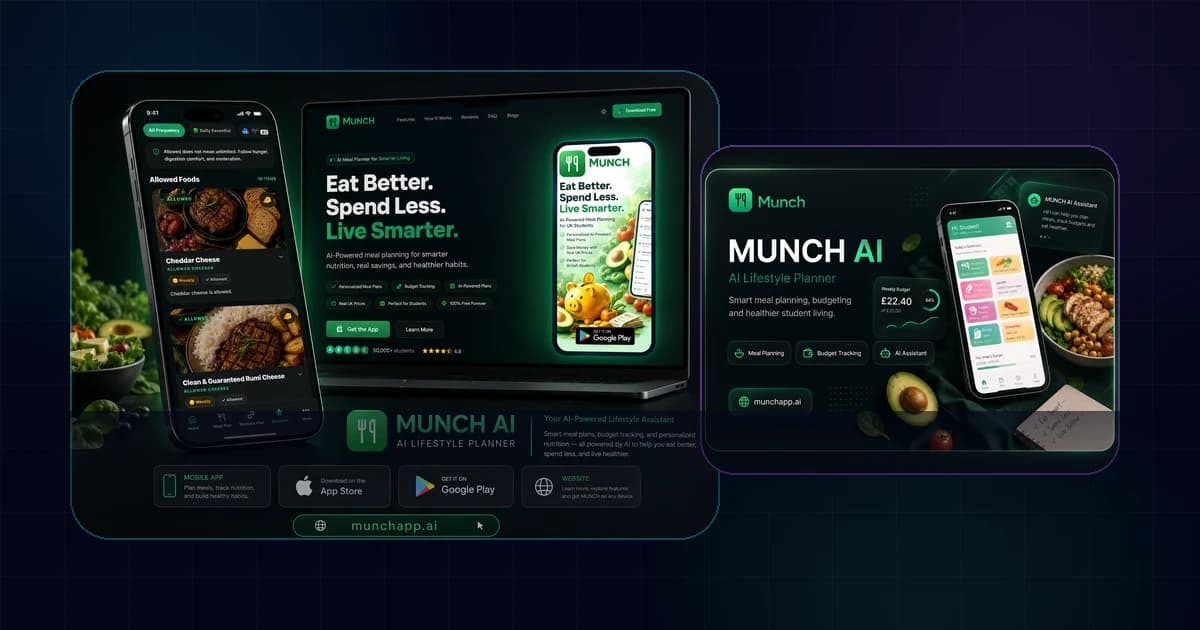
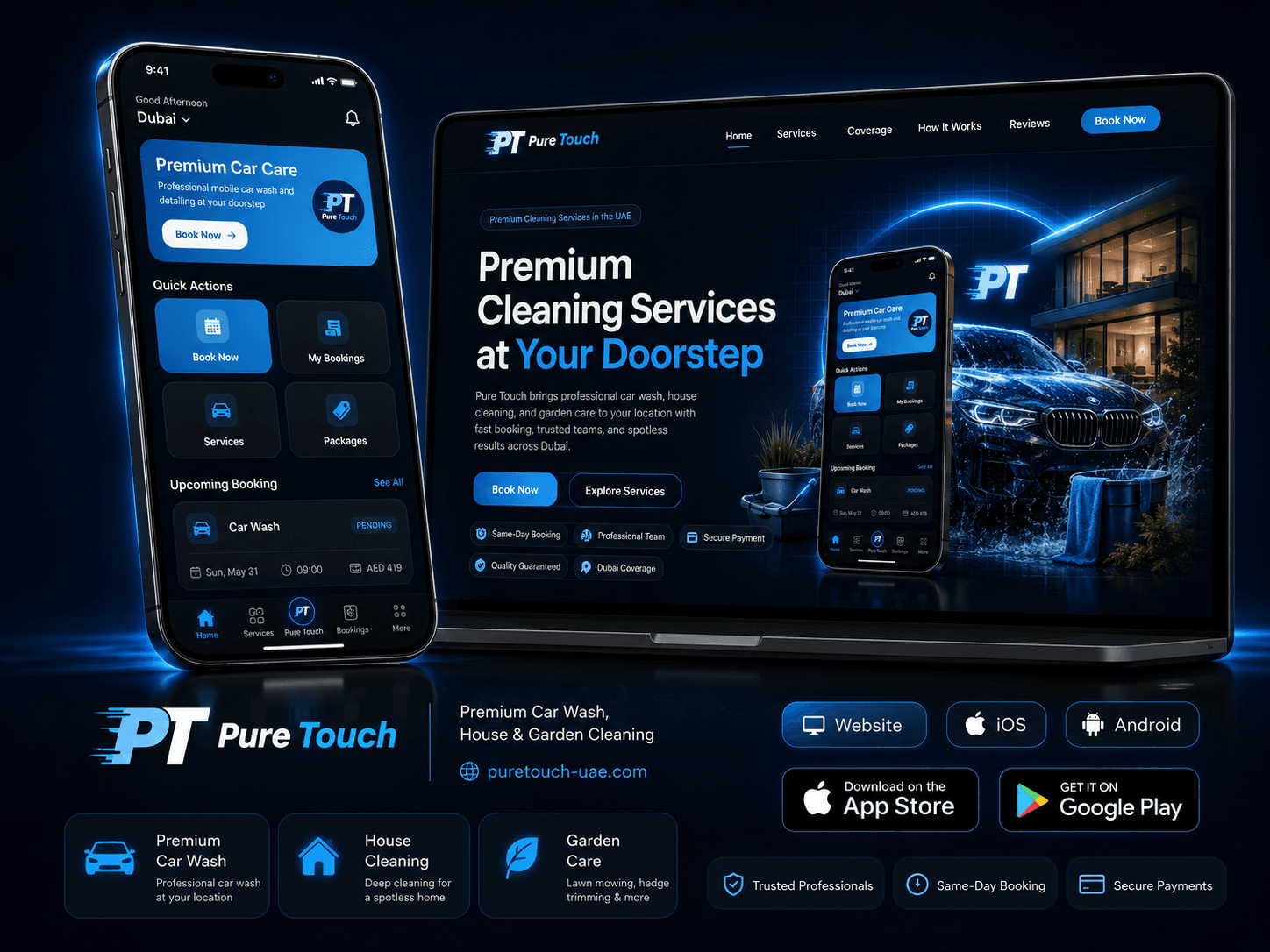
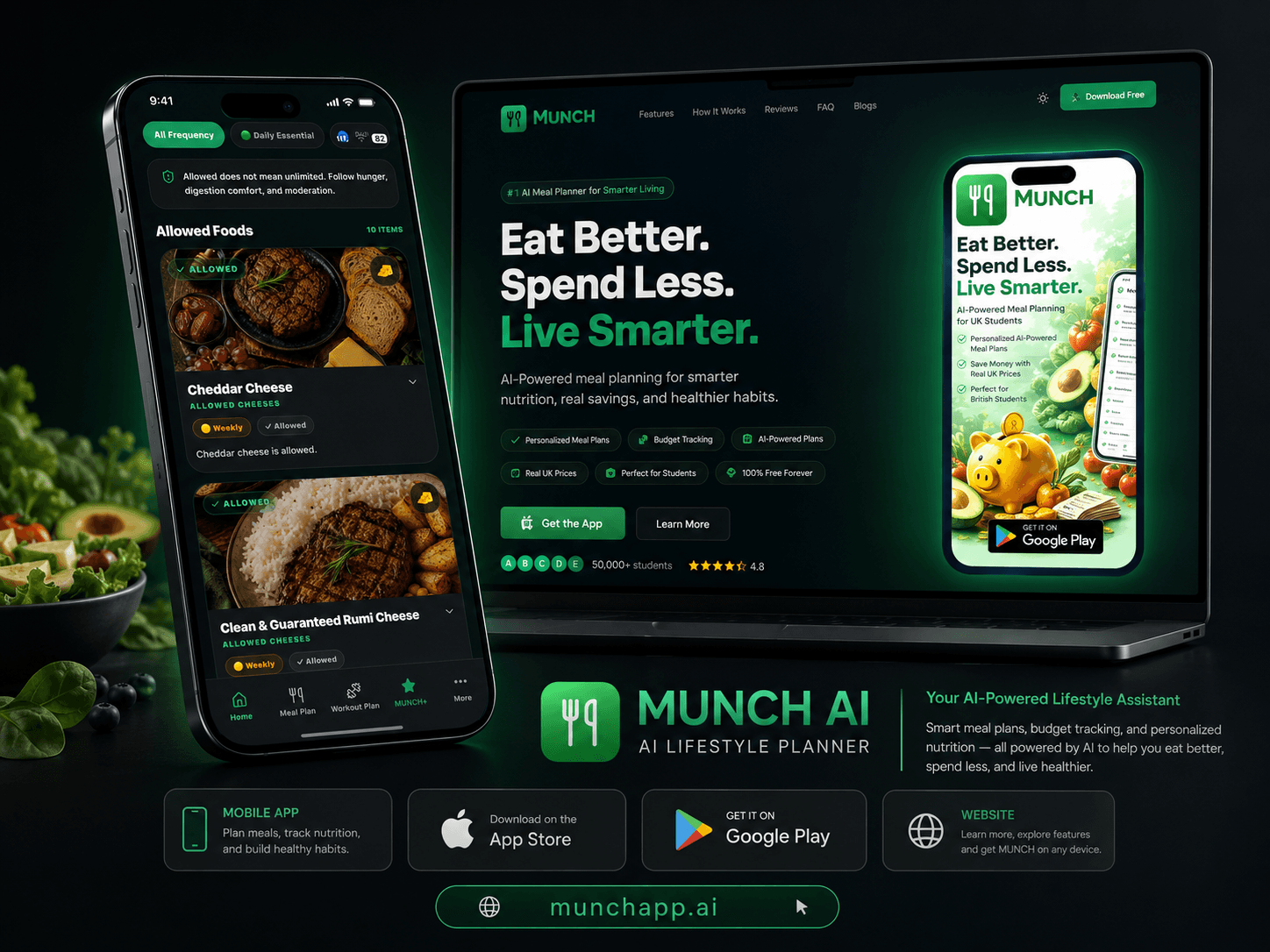
Mobile products and connected systems delivered across different business models

Payments
Treat payment as an operational workflow, not a button
Confirm payment providers directly before architecture decisions. Review supported methods, settlement, refunds, tokenisation, webhooks, test environments, recurring payments where applicable and account eligibility. The app must handle cancelled, failed, pending and duplicated attempts safely.
Also distinguish physical-goods commerce from digital content and subscriptions because Apple and Google platform rules can affect how certain purchases are implemented. The development team should review current store rules for the product category rather than assuming a normal web checkout can simply be embedded.
Planning Check
Need help turning the requirement into the right scope?
Share the mobile product goal, target users, iOS and Android needs, languages, payments, integrations and target release. TAS can help you define a focused first release and the connected backend it needs.
Ask TAS on WhatsAppRetention
Use app-only channels carefully
Push notifications can support order updates, back-in-stock alerts, loyalty status and genuinely useful reminders. They can also damage trust when every campaign becomes a push. Plan event triggers, frequency, consent and message ownership so lifecycle communication supports the customer rather than interrupting them.
Retention should be measured through useful behaviour: repeat purchase, saved items, loyalty usage, successful checkout and support resolution. Install count alone says little about whether the app creates commercial value.
Connected Commerce
Connect mobile, web and operations
For businesses that already have an ecommerce website, the mobile app should usually connect to the same backend or commerce engine through supported APIs. This reduces duplicated catalogue and order logic. A custom middleware or service layer may still be useful when the app needs additional business rules, aggregation or mobile-specific endpoints.
Operational teams need a clear source of truth for order state. If a payment succeeds but fulfilment fails, or an order is changed by support, the customer app must eventually reflect that reality. Design reconciliation and error states during discovery rather than after production incidents.
Launch
Commerce app launch checklist
Before release, test actual product data, payment sandbox and production credentials, order communications, analytics events and customer-service scenarios. Run the full journey from install to purchase to operational handoff and refund/support paths.
Store screenshots and descriptions should represent the real product. Apple and Google both expect accurate listings and functioning experiences. Keep review credentials, demo data and production services ready if the app requires an account.
Ecommerce mobile launch checklist
- Catalog and search with production-like data
- Cart persistence and account states
- All payment success/failure/pending flows
- Refund and cancellation process
- Order status communications
- Analytics and conversion events
- Arabic/English checkout if required
- Support contact and escalation
- Store listing assets
- Post-launch crash/error monitoring
TAS Project Evidence
What these decisions look like in real digital products
The examples below are presented as TAS project showcases. They demonstrate different mobile and connected-platform patterns without inventing performance results or claiming that one architecture fits every business.
iOS · Android · Booking Platform
Pure Touch
A TAS delivery case study connecting a service website, iOS and Android customer applications, structured booking and operational administration.
Discuss a similar TAS projectMobile Product · Subscription · AI
MUNCH AI
A TAS product experience combining mobile and web journeys, subscriptions and AI-assisted lifestyle features across nutrition and fitness.
View live projectReact Native · Product Delivery
TAS Mobile App Capability
TAS positions mobile delivery around React Native, product UX, authentication, payments, analytics, deployment and connected backend services.
Discuss a similar TAS projectConnected TAS Guides
Mobile app development connects to software, web and operations
These TAS pages cover adjacent software and platform decisions without competing with the mobile app cluster.
Frequently Asked Questions
Ecommerce Mobile App Development FAQs
Does every Saudi ecommerce business need a mobile app?+
No. An app is strongest when customers have a reason to return frequently, use loyalty, save preferences, track orders, interact with locations or benefit from app-specific utility. If the mobile website and operations are weak, fixing them may create more value before adding another channel.
Can an ecommerce app share the same backend as the website?+
Often yes. A shared commerce backend or API layer can keep product, price, customer and order data consistent across web and mobile. The exact architecture depends on the current platform, API quality, mobile requirements and operational systems.
Can TAS build payments and subscriptions into a mobile app?+
TAS lists payments and subscriptions within its mobile capability. The specific provider and implementation must be verified for the project, including account eligibility, APIs, store rules, refunds, recurring billing and operational reconciliation.
Should ecommerce push notifications be used for promotions?+
They can be used carefully, but order updates, back-in-stock alerts and useful account events often have clearer customer value. Plan consent, frequency and segmentation. Excessive promotional pushes can create notification opt-outs or app uninstalls.
Next Step
Map the commerce system before designing the shopping screens
Send TAS the current store platform, catalogue size, checkout, payments, fulfilment, loyalty and app-specific value proposition. We can identify whether a mobile app or a better mobile web phase should come first.
Authoritative sources and further reading
Technical standards and platform guidance change. Review the current source before making a final architecture, security or compliance decision.