iOS vs Android App Development in Saudi Arabia: What Should You Build First?
Choose platform order from your actual audience, product risk and operating model. If both platforms matter, a shared approach may let you launch together; if one audience dominates, a staged release can reduce risk.
Quick Answer
Build where your real first users are—and prove the core journey
There is no responsible default that every Saudi business should launch iOS first or Android first. Use existing customer analytics, device data, workforce devices, B2B requirements and product constraints. If both platforms are necessary and the journeys are mostly shared, cross-platform delivery can support a simultaneous release.
Key Takeaways
What matters before the build begins
These points define the decision behind the search query and keep the project grounded in business value.
Use your own audience/device evidence instead of generic market-share claims.
B2B and internal apps may have device policies that matter more than consumer trends.
Apple and Google use different release and review processes, so account ownership should be planned early.
Testing effort increases with the number of supported device sizes, OS versions and platform-specific features.
Cross-platform architecture can share product logic while still requiring platform-specific testing.
A staged launch is useful only if it reduces real product risk, not simply to postpone a known requirement.
Audience
Start with first-party device evidence
If you already have a website or customer platform, review mobile analytics to understand the devices used by qualified customers rather than the whole internet. For an internal business app, ask which devices employees actually receive. For a B2B product, consider the devices used by the buyer, operator and field worker separately.
Avoid publishing unsupported claims such as “Saudi users prefer iOS” or “Android dominates every sector” unless you have current, relevant data for the specific audience. A product decision should be based on the users you need to serve, not a broad statistic that may not match your customer segment.
Platform evidence checklist
- Current website device analytics
- Existing customer device data
- Employee/field device policy
- Required Apple-only capabilities
- Required Android-only capabilities
- Third-party SDK platform support
- App-store account readiness
- QA device inventory
Comparison
iOS and Android release considerations
| Factor | iOS | Android |
|---|---|---|
| Distribution | App Store and Apple review process | Google Play and Android distribution options |
| Devices | More controlled Apple hardware ecosystem | Wider variety of manufacturers, screen sizes and device capability |
| Testing | OS/device matrix still required | Broader device diversity may increase QA coverage |
| Design | Apple platform conventions and accessibility expectations | Android design patterns and adaptive layout expectations |
| Payments/subscriptions | Apple rules affect eligible digital goods and in-app purchases | Google Play rules affect eligible digital goods and billing |
| Account ownership | Apple developer organisation/account roles | Google Play Console organisation/account roles |
Real Project Visuals
Mobile products and connected systems delivered across different business models

Both Platforms
When launching iOS and Android together makes sense
Launch both together when the audience is clearly split, the app is a primary customer channel, and operational support is ready to handle both stores. A shared React Native architecture can reduce duplicated application logic, but both platforms still need real-device testing, permissions checks, release configuration and store assets.
The benefit of simultaneous launch is consistent market coverage. The cost is a larger QA and release surface. Teams should not treat “one codebase” as “one platform”; platform-specific bugs, SDK behaviour and review issues can still appear.
Planning Check
Need help turning the requirement into the right scope?
Share the mobile product goal, target users, iOS and Android needs, languages, payments, integrations and target release. TAS can help you define a focused first release and the connected backend it needs.
Ask TAS on WhatsAppStaged Launch
When one platform first can reduce product risk
A staged launch can be sensible when a well-defined pilot audience uses one platform, a critical integration is available on only one platform, or the organisation wants to validate the core workflow before expanding support. The architecture should still preserve the second-platform requirement if it is already known.
Do not use a staged launch to avoid basic discovery. If the final product definitely needs both platforms and the UI, backend and SDK choices are being made without testing the second platform, the later port can become a partial rebuild.
- 01
Define the pilot audience
Name who will use the first release and why that group can validate the product.
- 02
Protect the second-platform architecture
Avoid platform-specific assumptions in shared business logic unless they are intentional.
- 03
Measure the core journey
Track activation, completion, errors and support issues before expanding.
- 04
Launch the second platform from evidence
Carry fixes and UX learning into the second release rather than duplicating the original mistakes.
Quality
Platform quality is more important than platform count
Apple’s review guidance expects functioning apps, accurate metadata and access for reviewers where necessary. Android quality guidance emphasises user value, experience, technical quality, privacy and security. A rushed two-platform launch that crashes or has broken account states is worse than a focused release with a controlled expansion plan.
Build release readiness into the definition of done. That includes store assets, privacy information, support contact, production backend access, analytics, crash monitoring and a process for handling review questions.
Query Ownership
Why iOS and Android do not get separate generic sales blogs yet
Separate “iOS app development Saudi Arabia” and “Android app development Saudi Arabia” sales pages can easily repeat the generic mobile service page if the business does not have distinct platform propositions. This comparison page captures platform-choice intent while the commercial service page owns the transactional service query.
If Search Console later shows sustained platform-specific demand and TAS develops unique proof, services and case studies for one platform, a dedicated commercial page can be created with a clear ownership boundary. Until then, one comparison page is safer.
TAS Project Evidence
What these decisions look like in real digital products
The examples below are presented as TAS project showcases. They demonstrate different mobile and connected-platform patterns without inventing performance results or claiming that one architecture fits every business.
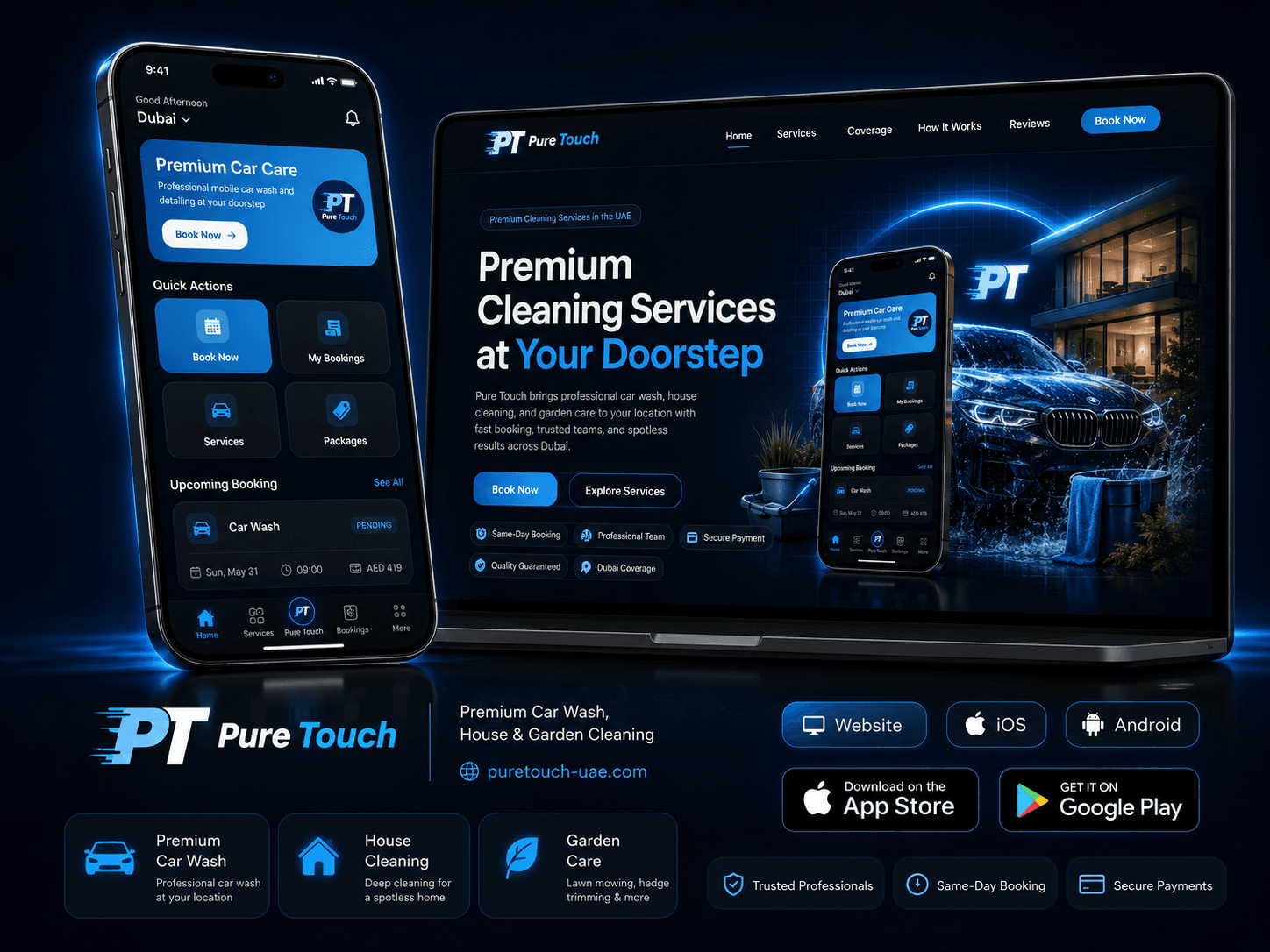
iOS · Android · Booking Platform
Pure Touch
A TAS delivery case study connecting a service website, iOS and Android customer applications, structured booking and operational administration.
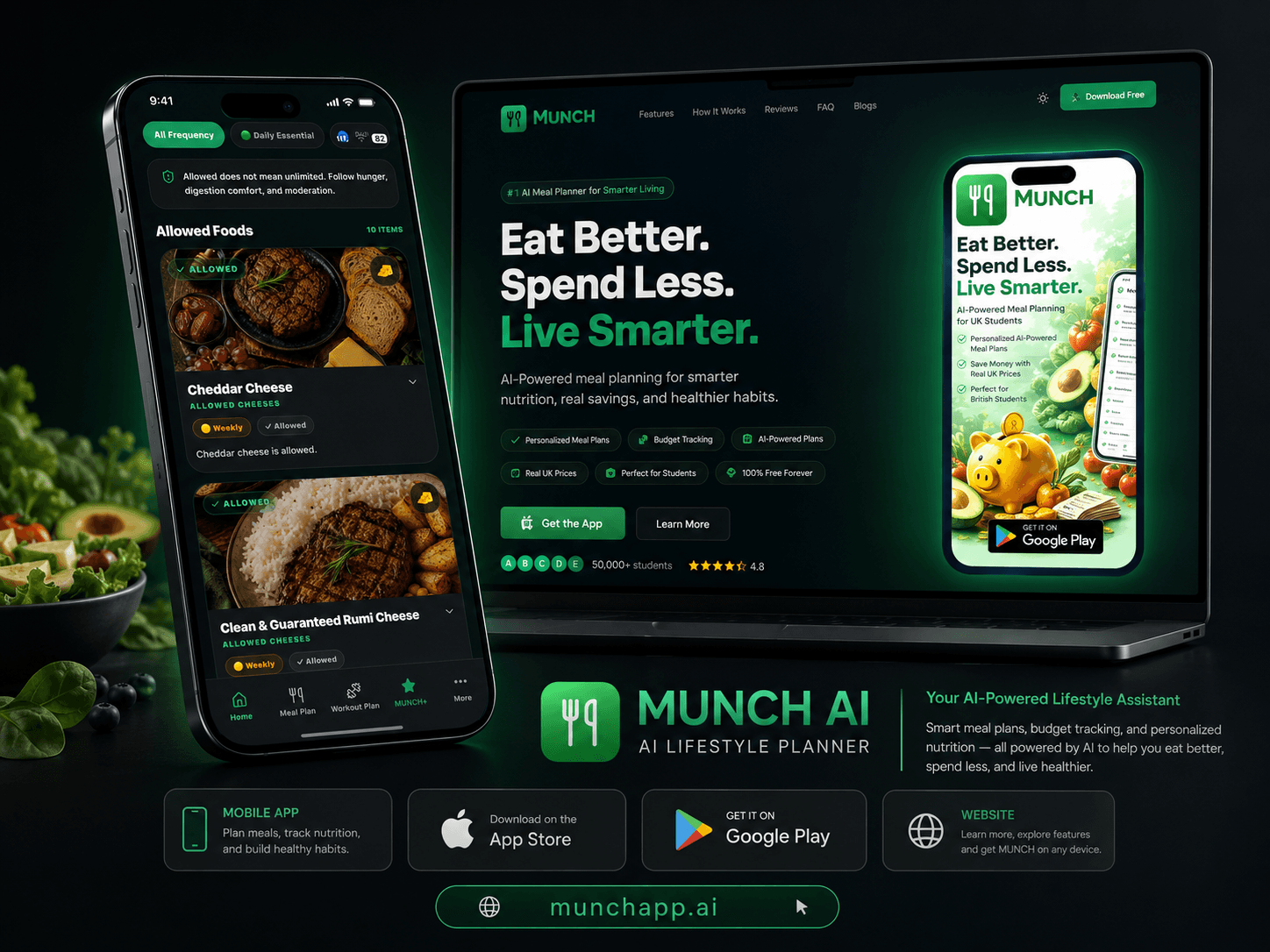
Discuss a similar TAS projectMobile Product · Subscription · AI
MUNCH AI
A TAS product experience combining mobile and web journeys, subscriptions and AI-assisted lifestyle features across nutrition and fitness.
View live projectReact Native · Product Delivery
TAS Mobile App Capability
TAS positions mobile delivery around React Native, product UX, authentication, payments, analytics, deployment and connected backend services.
Discuss a similar TAS projectConnected TAS Guides
Mobile app development connects to software, web and operations
These TAS pages cover adjacent software and platform decisions without competing with the mobile app cluster.
Frequently Asked Questions
iOS vs Android App Development FAQs
Should a Saudi business build iOS or Android first?+
Use first-party audience and operational evidence. Website analytics, customer devices, employee device policies and required SDKs are more useful than a generic national preference claim. If both platforms are essential and journeys are shared, a cross-platform approach may support a simultaneous launch.
Can TAS build both iOS and Android apps?+
Yes. TAS presents iOS and Android delivery on its site, and the Pure Touch case study includes customer applications for both platforms. TAS also lists React Native as part of its mobile capability, which can support shared product delivery where appropriate.
Is Android harder to test than iOS?+
Android generally spans a wider variety of manufacturers, screen sizes and device capabilities, which can expand the test matrix. iOS also requires testing across supported devices and OS versions. The right QA plan depends on your actual audience and supported hardware.
Can we launch on one platform and add the other later?+
Yes, when a staged release has a clear pilot audience and the architecture preserves the second-platform requirement. Document what is intentionally platform-specific and avoid choices that make the later release a rebuild unless that trade-off is explicit.
Next Step
Choose platform order from your users, not assumptions
Send TAS your audience, known device data, core features and required integrations. We can help decide whether iOS, Android or a shared release is the lower-risk first phase.
Authoritative sources and further reading
Technical standards and platform guidance change. Review the current source before making a final architecture, security or compliance decision.