
Web platforms
Portals, dashboards, workflow systems and customer applications built around business logic.
Build the software your operation needs when an off-the-shelf tool does not fit.
TAS designs custom platforms around real users, workflows and integrations—from internal dashboards and portals to customer-facing web and mobile products.
What TAS can build
Portals, dashboards, workflow systems and customer applications built around business logic.

Mobile experiences connected to the same APIs, accounts and operational services.

APIs, data flows and deployment architecture that connect the product to the systems it depends on.
Replace fragile spreadsheet or manual processes with a purpose-built tool.
Connect customers, staff and partners through one controlled platform.
Own workflows and product logic that generic SaaS cannot model well.
Build reusable APIs and components that support future web and mobile features.
Delivery scope
Custom web platforms and portals
Operational dashboards and workflow tools
Mobile applications
APIs and system integrations
Role-based accounts and permissions
Cloud deployment and ongoing product improvement
Where it fits
Replace fragmented manual tools with one application that reflects the real workflow.
Give customers structured access to requests, orders, documents, progress or services.
Manage vendors, partners, approvals, data and shared workflows through role-based experiences.
Move from concept to a buildable MVP, then expand based on real usage and validated priorities.
Delivery model
Define users, jobs, workflows, business rules, data and integration dependencies.
Prioritise the first release and define the technical structure needed to support it.
Develop the user experience, backend, integrations and admin capabilities as one product.
Test user roles, workflows, data, edge cases, mobile behaviour and operational support.
Use real feedback and product data to decide what should be added next.
Pricing & scope
TAS does not publish a fake one-size-fits-all price. A useful estimate depends on the workflow, users, integrations and delivery responsibilities below.
Saudi market coverage
TAS can support teams operating in Riyadh, Jeddah, Dammam and other Saudi locations. Remote delivery and any on-site requirements are agreed during discovery; this page does not imply a Saudi office address.
Selected TAS work
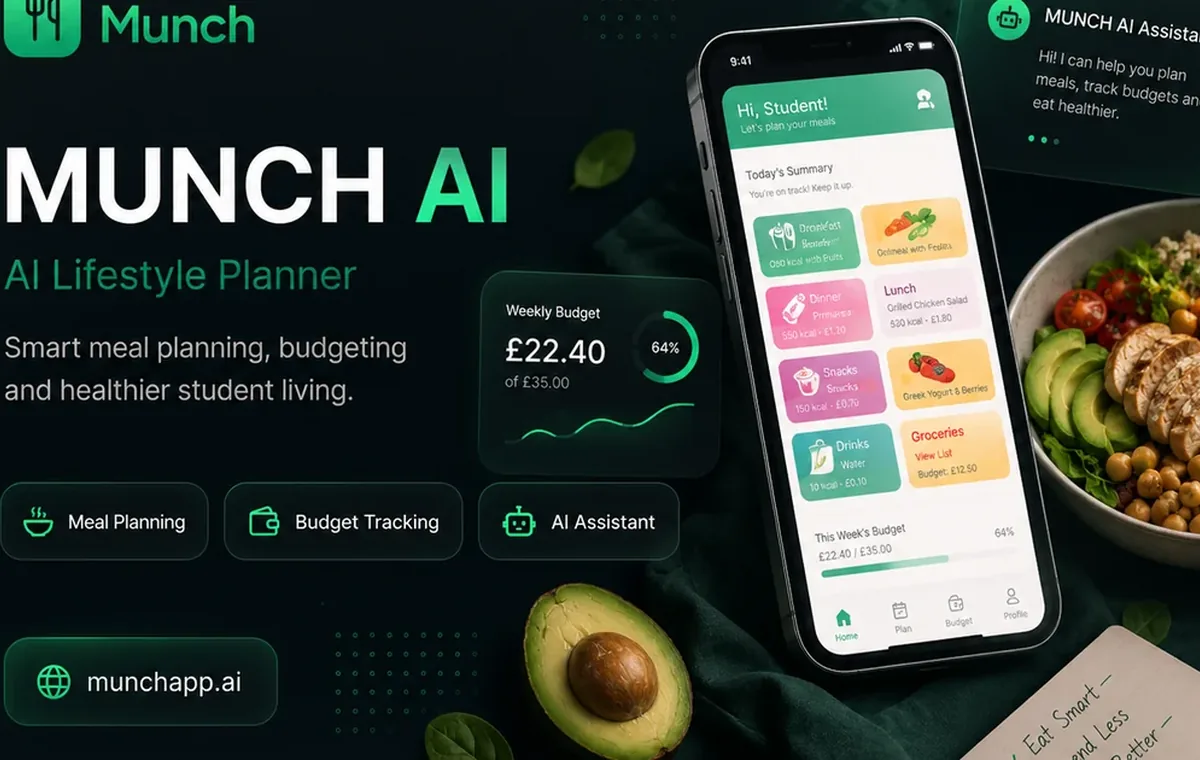
These TAS projects demonstrate web, mobile, product and operational delivery patterns. They are shown as portfolio evidence and are not presented as Saudi client projects unless a case study explicitly says so.


Research before you buy
Related services
Buyer questions
Cost depends on user roles, workflows, integrations, web or mobile surfaces, data migration, security and support requirements. A small focused operational tool is very different from a multi-role enterprise platform, so the scope must be defined before a useful estimate is possible.
Build custom software when the process is strategically important, difficult to model in available SaaS, requires unique integrations or customer experiences, or when repeated workarounds are becoming expensive. Use SaaS when a standard tool already handles the requirement well.
Yes. TAS can design shared backend services and deliver web and mobile experiences around the same product model when both are genuinely required. A responsive web application may be a better first phase when mobile-specific capabilities are not necessary.
Integration depends on the target system's APIs, authentication, data access and usage limits. TAS reviews those constraints before committing to an integration and designs fallbacks or manual checkpoints where required.
Keep the first release focused, validate workflows with real users, define acceptance criteria, surface technical dependencies early and avoid building speculative features. A smaller production-ready phase usually creates better information for the next investment decision.
Ready to scope it?
Share the users, current tools, main bottleneck and desired outcome. TAS can tell you what needs clarification before a build should start.