
Opportunity mapping
Prioritise AI use cases by business value, feasibility, risk and data readiness.
Choose the right AI use case before you spend on the wrong one.
TAS helps Saudi organisations turn broad AI ambition into a prioritised roadmap with clear workflows, data requirements, risks, architecture and a buildable first phase.
What TAS can build
Prioritise AI use cases by business value, feasibility, risk and data readiness.

Define models, knowledge sources, integrations, permissions, evaluation and human controls.

Turn recommendations into a sequence of testable delivery phases with owners and success metrics.
Prioritise AI use cases against measurable business needs.
Avoid buying tools before data and workflow requirements are clear.
Define governance, human approval and evaluation early.
Leave discovery with an implementation plan that can actually be built.
Delivery scope
AI opportunity and workflow assessment
Use-case prioritisation matrix
RAG and enterprise knowledge architecture
AI agent and integration design
Governance, evaluation and human-control plan
Phased implementation roadmap
Where it fits
Turn a broad AI mandate into a prioritised set of initiatives with cost and dependency awareness.
Identify repeatable processes where AI can assist or automate work without hiding accountability.
Assess whether RAG, search or a controlled internal assistant is suitable for company information.
Plan conversational AI with approved knowledge, escalation, analytics and service ownership.
Delivery model
Understand business priorities, users, constraints and current systems.
Score opportunities by value, data readiness, complexity, risk and measurability.
Define the technical pattern, integrations, governance and evaluation approach.
Sequence the work into a practical proof, first production phase and later expansion.
TAS can continue into delivery or provide a clear technical brief for internal teams and partners.
Pricing & scope
TAS does not publish a fake one-size-fits-all price. A useful estimate depends on the workflow, users, integrations and delivery responsibilities below.
Saudi market coverage
TAS can support teams operating in Riyadh, Jeddah, Dammam and other Saudi locations. Remote delivery and any on-site requirements are agreed during discovery; this page does not imply a Saudi office address.
Selected TAS work
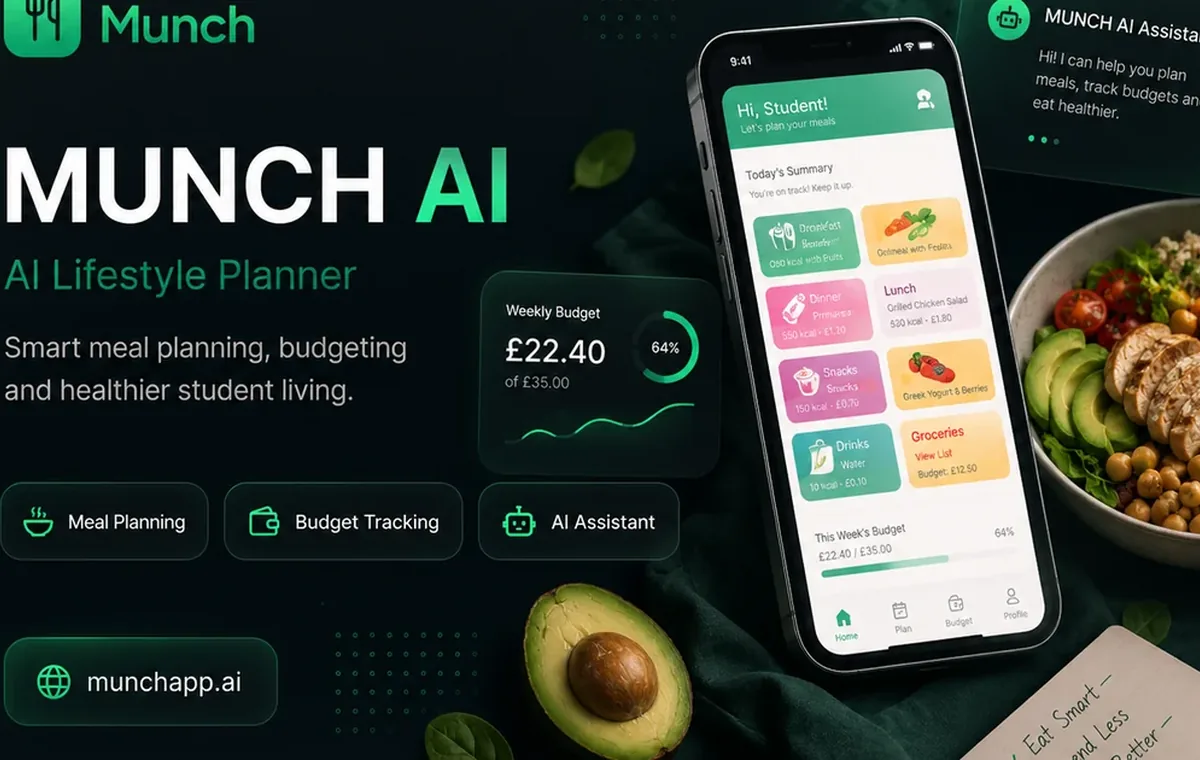
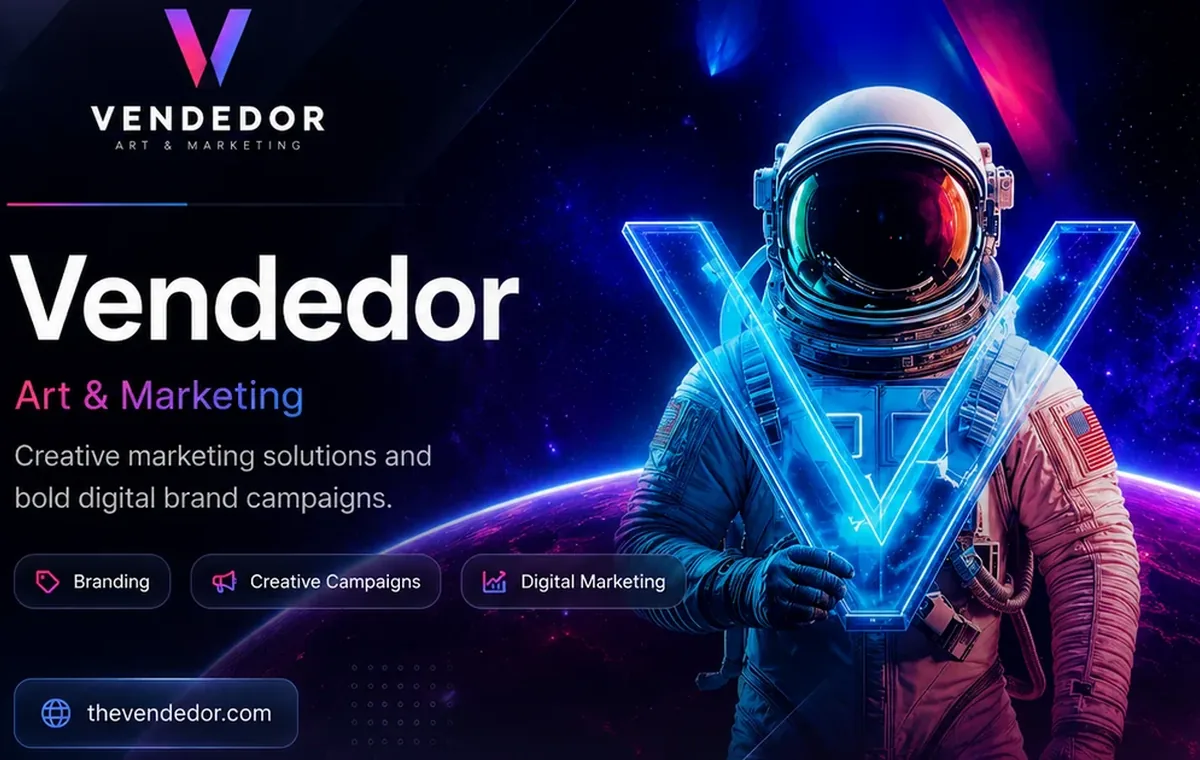
These TAS projects demonstrate web, mobile, product and operational delivery patterns. They are shown as portfolio evidence and are not presented as Saudi client projects unless a case study explicitly says so.

Research before you buy
Related services
AI Automation Services in Saudi Arabia
AI workflow automation in Saudi Arabia
AI-Powered CRM Automation in Saudi Arabia
AI-powered CRM Saudi Arabia
Business Process Automation in Saudi Arabia
business process automation Saudi Arabia
Ecommerce Website Development in Saudi Arabia
ecommerce web development Saudi Arabia
Buyer questions
A useful AI consultant should connect business goals to real workflows, data, systems, governance and measurable outcomes. The work should result in clear decisions about what to build, what not to build, how to evaluate it and what dependencies must be solved first.
TAS works with organisations operating in Saudi Arabia, including teams in Riyadh, Jeddah and Dammam. The engagement model, workshops and any on-site needs are agreed during discovery rather than assuming a one-size-fits-all consulting format.
Yes. TAS can assess document quality, access controls, retrieval architecture, evaluation, source citation, permissions and integration requirements before recommending an enterprise RAG or knowledge-assistant approach.
Not always. A focused pilot can be useful when the workflow is clear and measurable. The important part is to understand the data, risks, integration requirements and success criteria before development starts.
Yes. TAS can move from discovery and architecture into software, AI automation, integrations and product delivery. The implementation scope is defined separately so the consulting phase can remain honest about what has actually been validated.
Ready to scope it?
Share the users, current tools, main bottleneck and desired outcome. TAS can tell you what needs clarification before a build should start.