
Applied AI systems
Task-focused AI agents, enterprise assistants and structured AI workflows grounded in approved data.

Turn repetitive Saudi business workflows into controlled AI automation.
TAS maps the real process first, then connects AI, APIs, CRM, dashboards and human approval steps into a measurable workflow that your team can actually operate.
What TAS can build
Task-focused AI agents, enterprise assistants and structured AI workflows grounded in approved data.
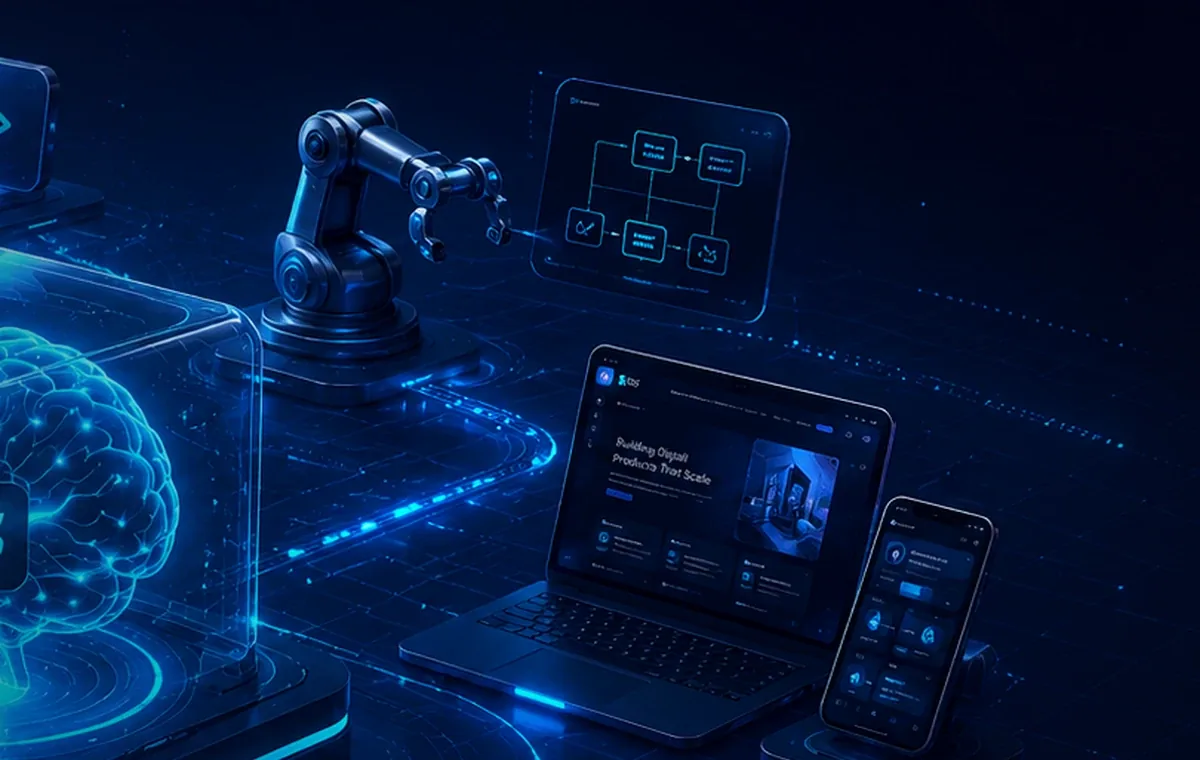
Connect enquiries, WhatsApp, routing, approvals, reminders and reporting without losing human control.

Integrate portals, dashboards, databases, APIs and cloud services around the automated process.
Reduce repetitive coordination and manual handoffs.
Respond to enquiries and internal requests faster.
Create clearer ownership, logs and approval checkpoints.
Give management a measurable view of workflow performance.
Delivery scope
AI agents with tool and permission boundaries
CRM lead capture and follow-up automation
Approval, document and notification workflows
RAG assistants over approved company knowledge
API and database integrations
Operational dashboards, alerts and reporting
Where it fits
Capture, qualify, route and follow up enquiries while preserving account ownership and escalation rules.
Answer approved questions, collect structured information and hand complex cases to the right team.
Automate approvals, records, reminders, document movement and recurring management tasks.
Give staff a controlled assistant over policies, manuals, product data or internal documentation.
Delivery model
Document the current process, people, tools, delays, exceptions and target metric.
Define data flow, integrations, AI boundaries, human approvals and failure handling.
Build one high-value workflow first instead of automating everything at once.
Test quality, permissions, bilingual journeys, edge cases, logs and operational ownership.
Expand only after the first workflow produces verified operational value.
Pricing & scope
TAS does not publish a fake one-size-fits-all price. A useful estimate depends on the workflow, users, integrations and delivery responsibilities below.
Saudi market coverage
TAS can support teams operating in Riyadh, Jeddah, Dammam and other Saudi locations. Remote delivery and any on-site requirements are agreed during discovery; this page does not imply a Saudi office address.
Selected TAS work
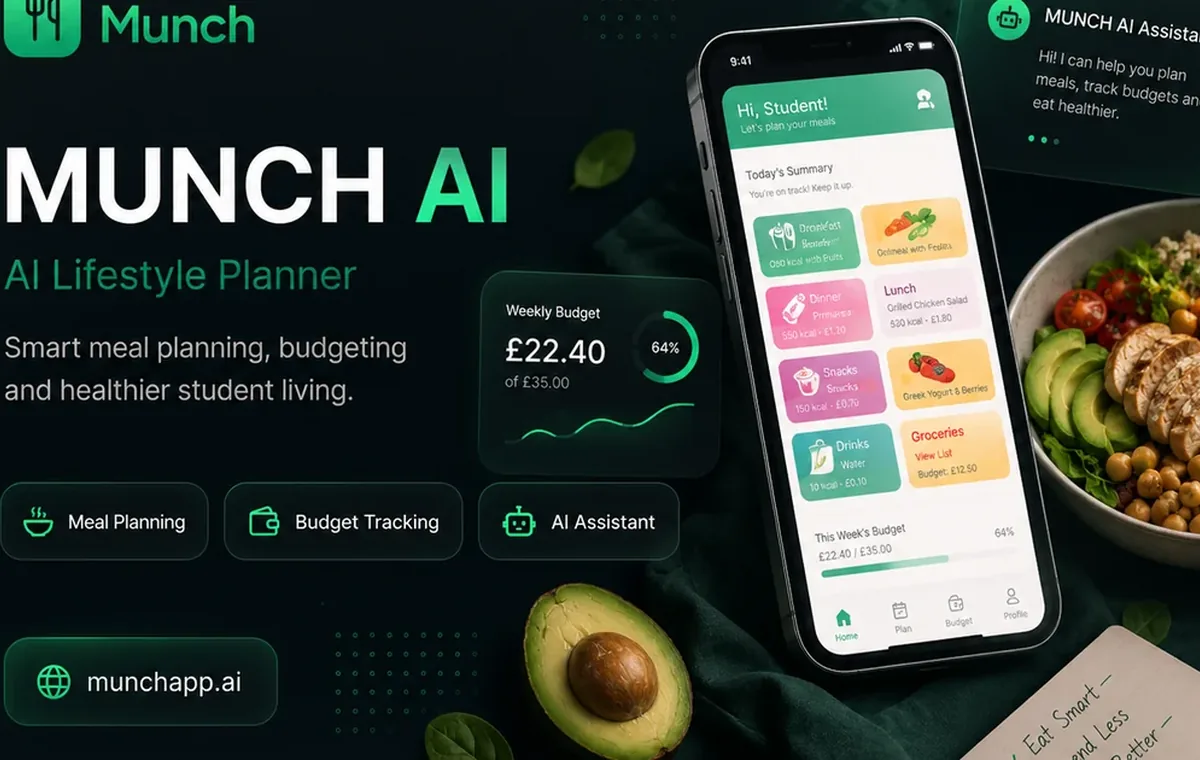
These TAS projects demonstrate web, mobile, product and operational delivery patterns. They are shown as portfolio evidence and are not presented as Saudi client projects unless a case study explicitly says so.


Research before you buy
Related services
AI-Powered CRM Automation in Saudi Arabia
AI-powered CRM Saudi Arabia
AI Consulting Company in Saudi Arabia
AI consultants in Saudi Arabia
Business Process Automation in Saudi Arabia
business process automation Saudi Arabia
Ecommerce Website Development in Saudi Arabia
ecommerce web development Saudi Arabia
Buyer questions
A practical AI automation project can include enquiry capture, CRM updates, approvals, document handling, AI-assisted decisions, notifications, dashboards and integrations. The exact scope should start from the business workflow, not from a generic AI feature list.
TAS can deliver AI automation projects for organisations operating in Riyadh, Jeddah, Dammam and other Saudi locations. Remote and on-site requirements are agreed during project discovery based on the workflow, stakeholders and implementation needs.
Yes when the existing system provides a suitable API, integration method or controlled data access. TAS reviews the available integration options before architecture is confirmed and avoids promising connections that have not been technically verified.
Start with one repetitive, measurable workflow. Document the current steps, volume, delays, owners and systems, then define the target outcome. A focused first phase is easier to test, govern and measure than a broad transformation programme.
No. ROI depends on the current baseline, process volume, adoption and implementation quality. TAS can define measurable success criteria and compare the automated workflow against the original process before recommending expansion.
Ready to scope it?
Share the users, current tools, main bottleneck and desired outcome. TAS can tell you what needs clarification before a build should start.