MVP App Development in Saudi Arabia: What Should the First Release Prove?
An MVP is not the cheapest possible app. It is the smallest production release that can test a valuable assumption with real users or operations and create evidence for the next product decision.
Quick Answer
Build one complete value loop, not twenty half-finished features
A strong mobile MVP lets the target user complete the core job end to end, while giving the business enough backend visibility and analytics to learn from real usage. Features that do not help prove the central product assumption should move to later releases even if they are attractive in a competitor demo.
Key Takeaways
What matters before the build begins
These points define the decision behind the search query and keep the project grounded in business value.
Define the riskiest business assumption before defining the feature list.
The MVP needs production-quality handling for the journeys it includes.
Admin tools and operational response may be necessary even when the customer interface is small.
Analytics should answer whether users reach and repeat the core value moment.
Avoid building a complete future architecture for speculative features, but keep known constraints visible.
A phased roadmap is easier to estimate and change than one huge “version 1”.
Definition
What “minimum viable” should mean for a mobile product
Minimum refers to scope, not quality. Viable means the target user can complete the important job safely and the business can support the outcome. A booking MVP may still need account creation, availability, confirmation, admin control and notifications if those elements are required for the service to function.
The first release should be designed around a measurable assumption. Examples include whether customers will complete a self-service booking, whether a field team will replace a manual form, or whether subscribers return to a daily planning experience. The app is a test vehicle for that outcome.
Scope
Separate must-have, later and unknown
Create three lists. Must-have features are required for the core value loop or safe operation. Later features are useful but do not change the test. Unknown items require discovery or user evidence. This structure gives the team permission to say no without losing ideas.
Do the same for integrations. If the MVP can use a controlled manual operational step behind the scenes without harming users, that can reduce first-release complexity. If an integration is central to the product promise—such as payment, identity or availability—it belongs in the first technical proof.
| Bucket | Definition | Example |
|---|---|---|
| Must-have | Required to deliver or measure the core value | Sign-in, core transaction, confirmation, essential admin |
| Later | Useful after the core loop is validated | Advanced personalisation, secondary roles, deep reporting |
| Unknown | Needs discovery before commitment | Unproven third-party API, complex automation, edge-case workflow |
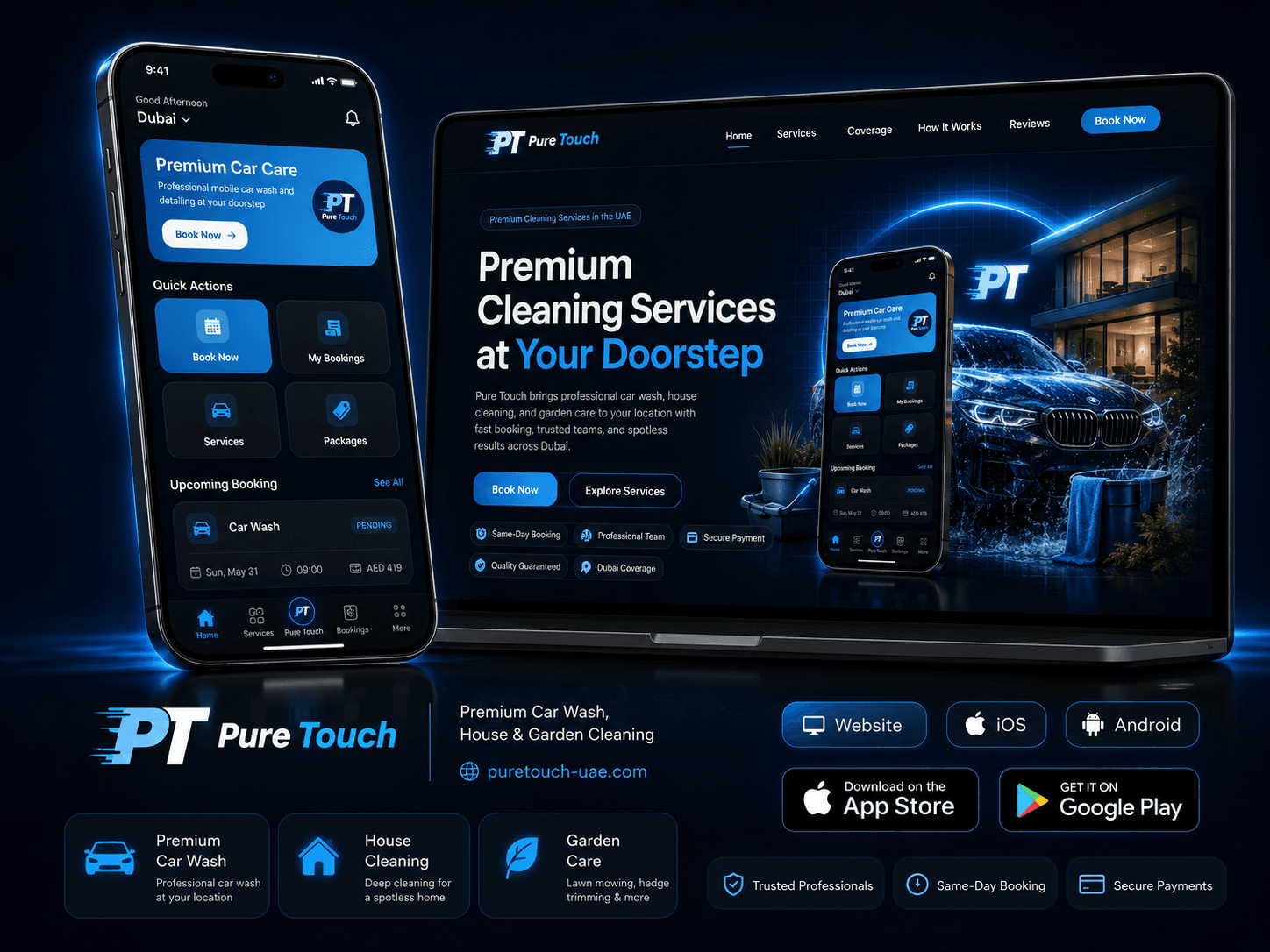
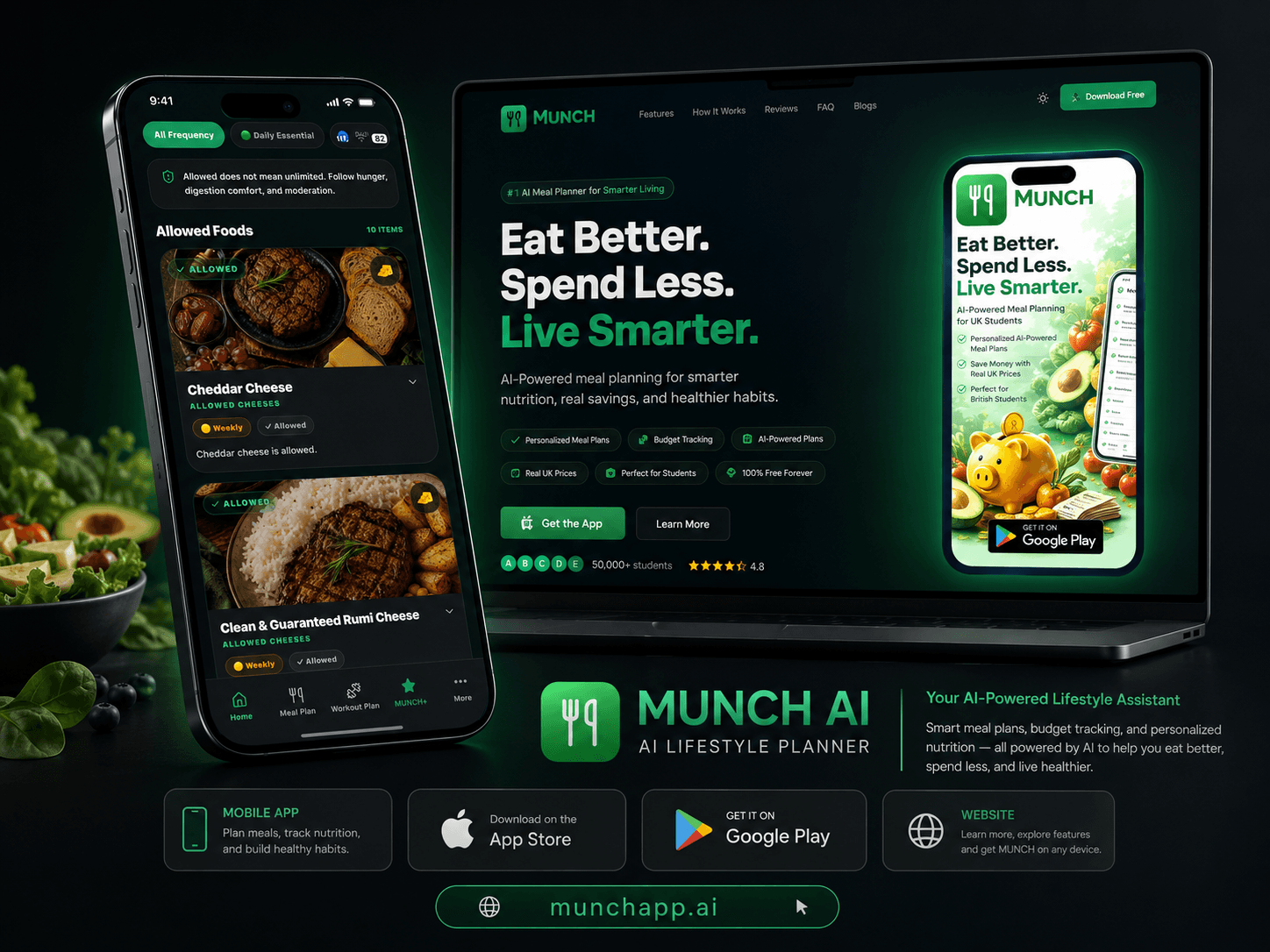
Real Project Visuals
Mobile products and connected systems delivered across different business models

Architecture
Keep the MVP small without creating a dead end
Avoid two extremes: over-engineering for millions of hypothetical users, and building a throwaway prototype with no path to production. Use an architecture that cleanly supports the known first release, creates separation between mobile UI and backend business logic, and can be extended if the product proves demand.
React Native can be useful for an MVP that needs iOS and Android because the team can share more product implementation while still handling platform-specific needs. That benefit only matters if the required SDKs and flows are technically proven.
Planning Check
Need help turning the requirement into the right scope?
Share the mobile product goal, target users, iOS and Android needs, languages, payments, integrations and target release. TAS can help you define a focused first release and the connected backend it needs.
Ask TAS on WhatsAppMeasurement
Instrument the hypothesis before launch
Define the events that show the user is reaching value: onboarding completed, search used, booking completed, plan generated, order paid, task submitted or another product-specific action. Add error events and abandonment points so the team can see why the journey fails.
Do not overload the first dashboard. A small set of activation, completion, repeat-use and operational metrics is more useful than dozens of events nobody reviews.
MVP measurement checklist
- Core activation event
- Core completion event
- Key error/failure events
- Repeat-use indicator
- Support/escalation volume
- Operational time or manual handoff
- Crash/error monitoring
- User feedback channel
Release
Set launch gates before the deadline pressure arrives
An MVP still needs basic quality gates. Test supported devices, account states, permissions, empty data, slow networks, API failures and the complete production workflow. Prepare store listings and reviewer access before the final week.
The release decision should be based on whether the core journey is reliable enough to test the business assumption—not whether every later idea is included.
- 01
Core journey complete
The target user can reach value end to end with production-like data.
- 02
Operational support ready
The business can see and resolve requests, payments, bookings or support cases.
- 03
Measurement verified
Analytics and error monitoring capture the product questions the MVP is meant to answer.
- 04
Store/release ownership ready
Developer accounts, listings, review access and production services are prepared.
Iteration
Use evidence to decide version two
After launch, separate usability problems from missing features. If users cannot complete the core journey, adding more features increases complexity without solving the product. Fix the main friction first.
Then review what users repeatedly ask for, what operations handle manually, which integrations create delays and which segments retain. The next release should be a response to evidence rather than the original wish list automatically returning.
TAS Project Evidence
What these decisions look like in real digital products
The examples below are presented as TAS project showcases. They demonstrate different mobile and connected-platform patterns without inventing performance results or claiming that one architecture fits every business.
iOS · Android · Booking Platform
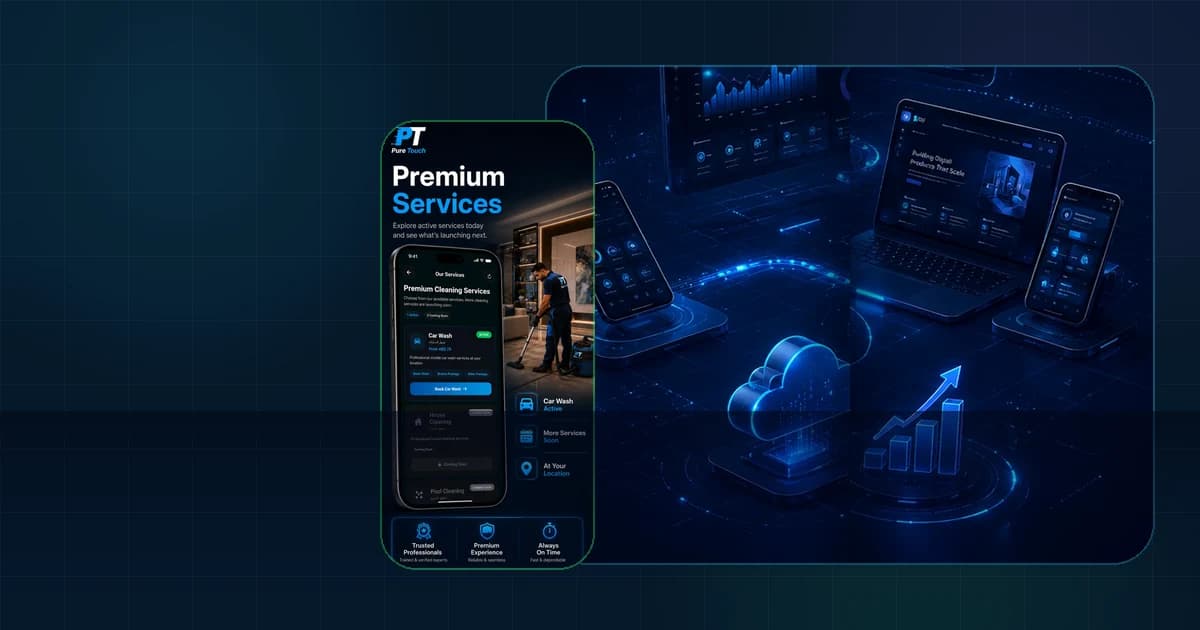
Pure Touch
A TAS delivery case study connecting a service website, iOS and Android customer applications, structured booking and operational administration.
Discuss a similar TAS projectMobile Product · Subscription · AI
MUNCH AI
A TAS product experience combining mobile and web journeys, subscriptions and AI-assisted lifestyle features across nutrition and fitness.
View live projectReact Native · Product Delivery
TAS Mobile App Capability
TAS positions mobile delivery around React Native, product UX, authentication, payments, analytics, deployment and connected backend services.
Discuss a similar TAS projectConnected TAS Guides
Mobile app development connects to software, web and operations
These TAS pages cover adjacent software and platform decisions without competing with the mobile app cluster.
Frequently Asked Questions
MVP App Development FAQs
What is an MVP mobile app?+
An MVP mobile app is the smallest production release that lets a defined user complete the core value journey and gives the business evidence about whether the product assumption is working. “Minimum” refers to scope; the included journey still needs enough quality to be usable and supportable.
How many features should an MVP have?+
There is no correct feature count. Include the features required for one complete value loop, safe operation and measurement. Move secondary roles, advanced automation, extensive personalisation and speculative features to later releases unless they are essential to the hypothesis.
Should an MVP launch on iOS and Android?+
Only if both platforms are needed for the pilot audience or product strategy. React Native can support shared delivery across iOS and Android, but a one-platform pilot may be sensible when the audience is clearly defined and the architecture preserves the later requirement.
Can an MVP use manual operations behind the app?+
Yes, when the manual step does not break the customer promise and helps validate demand before automating everything. Keep operational responsibility clear and measure the manual workload so the team knows which backend or automation investments are justified next.
Next Step
Define the one thing your first release must prove
Send TAS the target user, core job, must-have integrations and what you need to learn from the MVP. We can help cut the roadmap into a focused first release without hiding necessary backend or launch work.
Authoritative sources and further reading
Technical standards and platform guidance change. Review the current source before making a final architecture, security or compliance decision.