
Mobile App Development Timeline in Saudi Arabia: What Controls Delivery Speed?
A reliable app schedule is built from dependencies and acceptance criteria, not a generic promise of a certain number of weeks. Use this guide to identify where mobile projects actually wait.
Quick Answer
Timeline is driven by decisions, dependencies and quality gates
Mobile delivery time depends on how quickly the team can finalise user journeys, design states, backend rules, third-party access, content, QA and store readiness. A focused MVP with mature APIs can move much faster than a multi-role platform with new backend systems and external approvals. Build the schedule around milestones that produce testable outcomes.
Key Takeaways
What matters before the build begins
These points define the decision behind the search query and keep the project grounded in business value.
Discovery speed depends on stakeholder access and unresolved business rules.
Design can move quickly only when user journeys and content ownership are clear.
Third-party API credentials and provider approvals can become critical-path dependencies.
Build complete vertical journeys before completing every screen.
QA needs real data, real devices and failure-state testing.
Store review should be prepared early but should never be promised as an exact approval date.
Delivery Phases
The major phases in a mobile app schedule
Most mobile projects include discovery, UX/UI, architecture, engineering, integration, QA, release preparation and post-launch stabilisation. These phases overlap in a healthy project. Backend work can begin while later screens are still being designed, and release account preparation can begin before the build is finished.
A schedule becomes unreliable when every phase is shown as a perfect waterfall and the dependencies are hidden. The project plan should identify the decisions or external inputs that can block progress.
| Phase | Main output | Common blocker |
|---|---|---|
| Discovery | Approved first-release scope and acceptance criteria | Unresolved business rules or stakeholder disagreement |
| UX/UI | Prototype, design system and screen states | Missing content, unclear flows or late language requirements |
| Architecture/backend | APIs, data model, authentication and integration plan | Third-party access, undocumented legacy systems |
| Mobile engineering | Working vertical journeys on target devices | Changing scope or unstable backend |
| QA | Verified flows, devices, error states and release candidates | Late fixes, missing test data or environment issues |
| Store release | Listings, signed builds, review access and production services | Account ownership, policy questions or incomplete metadata |
Dependencies
Find the critical path before promising a date
The critical path is the chain of work that directly controls the launch date. A payment provider account, external API approval, Arabic content, security review or client-side policy decision can be more important than the number of developers assigned.
During discovery, list every external dependency with an owner and needed-by date. Treat “client will provide later” as a schedule risk rather than an invisible assumption.
Common timeline dependencies
- Apple/Google organisation accounts
- Third-party API credentials
- Payment/identity provider onboarding
- Arabic and English content approval
- Brand/design assets
- Backend/CRM/ERP access
- Security/privacy review
- Stakeholder acceptance windows
- Production hosting/account ownership
- Test users and sample data
Real Project Visuals
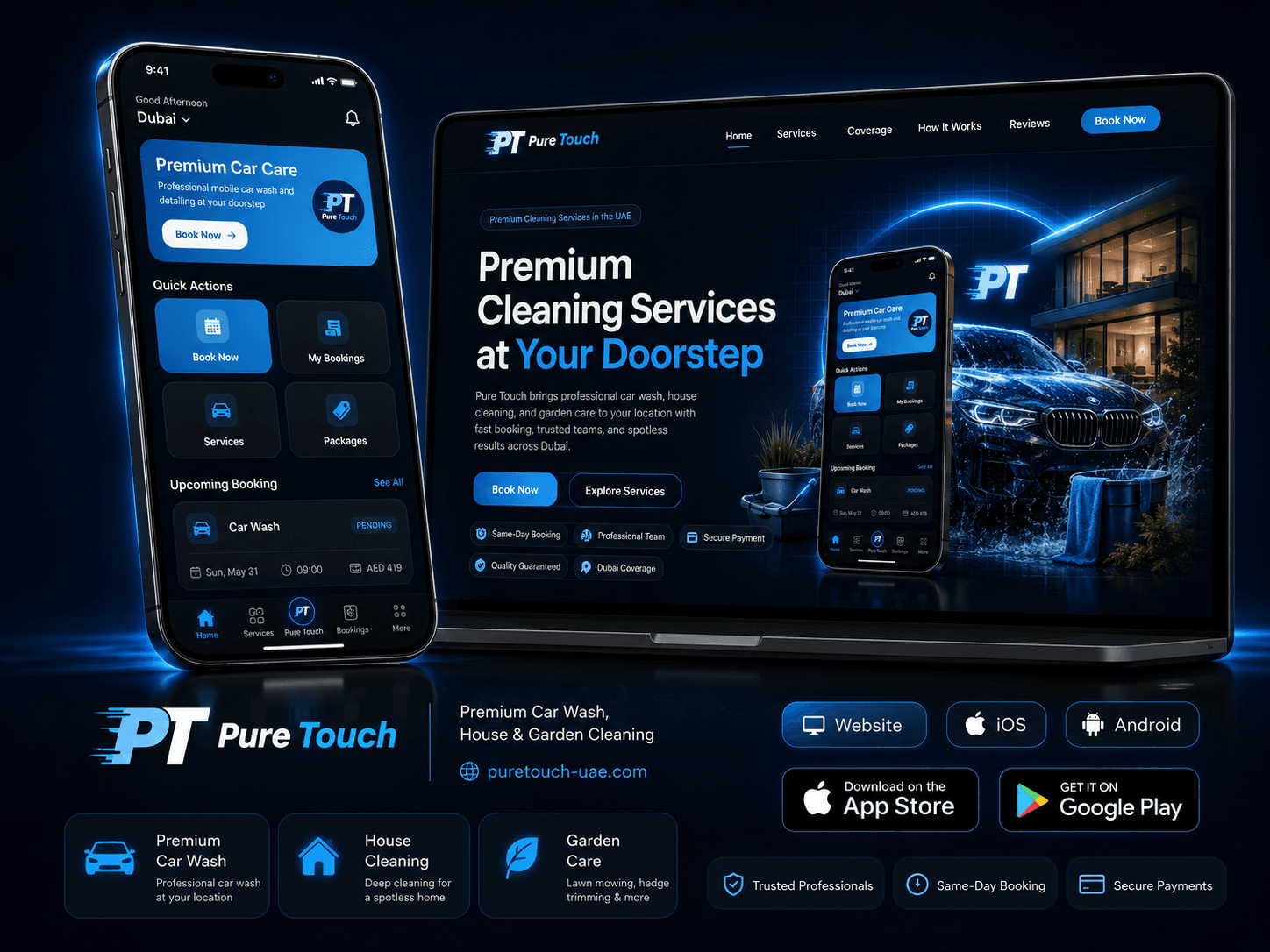
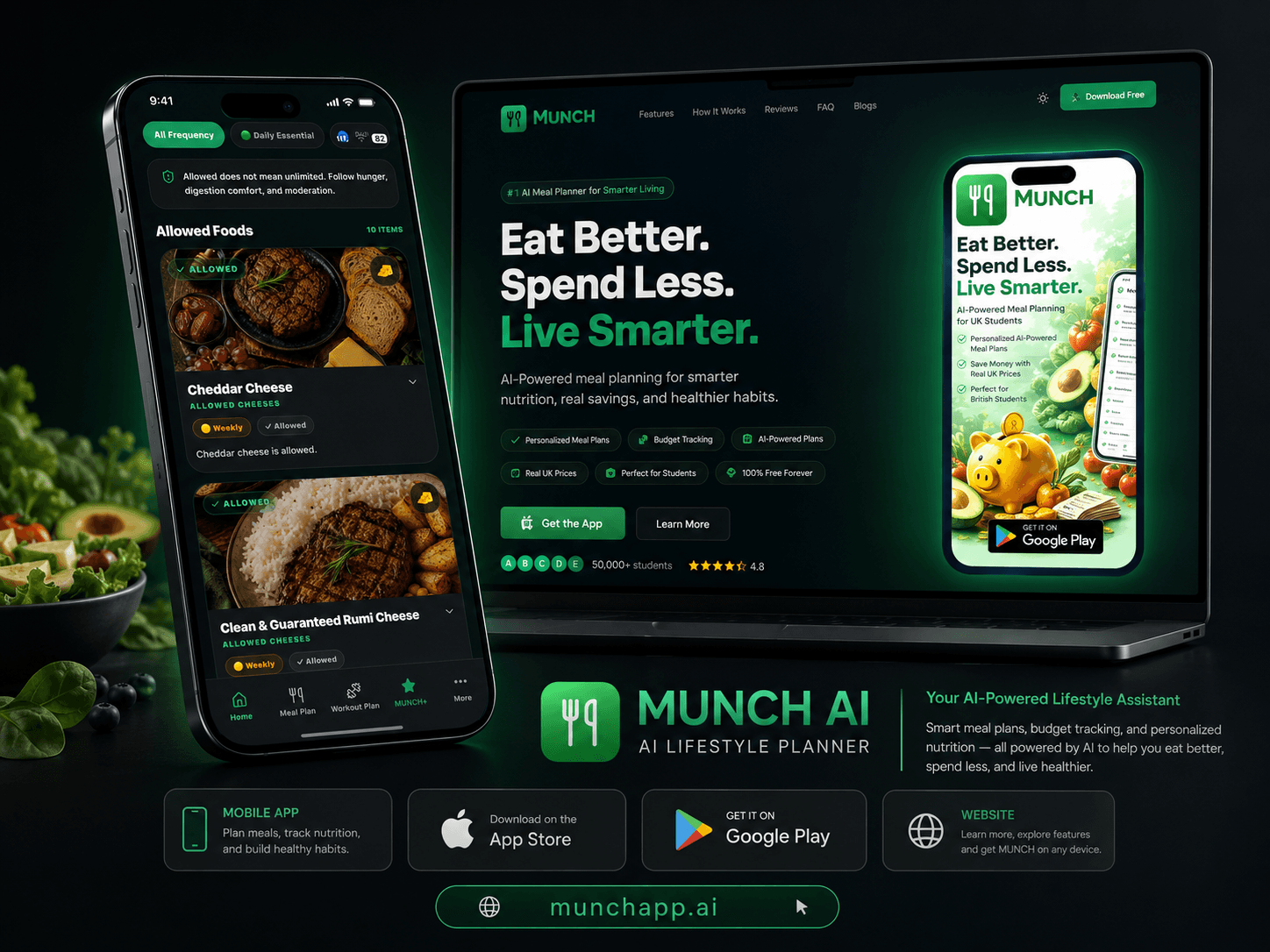
Mobile products and connected systems delivered across different business models

Delivery Model
What can run in parallel safely
Product design, backend architecture and technical spikes can overlap after the core journey is stable. A developer can prove a risky SDK while UX finalises secondary screens. Backend engineers can implement authentication and data models while the mobile team builds the shell against agreed contracts.
Parallel work only helps when interfaces between teams are explicit. If the API contract changes daily or business rules are unresolved, adding more parallel work creates rework rather than speed.
- 01
Lock the core journey
Agree the end-to-end path and acceptance criteria for the first vertical slice.
- 02
Prove risky dependencies
Test the hardest SDK, payment, identity or device integration early.
- 03
Build mobile and backend against agreed contracts
Use documented API shapes and version changes intentionally.
- 04
Start QA before feature-complete
Test finished journeys continuously instead of waiting for one giant final test cycle.
Planning Check
Need help turning the requirement into the right scope?
Share the mobile product goal, target users, iOS and Android needs, languages, payments, integrations and target release. TAS can help you define a focused first release and the connected backend it needs.
Ask TAS on WhatsAppStakeholders
Client feedback can be the fastest or slowest part
A project can lose more time waiting for content, design approval or business decisions than writing code. Define who can approve UX, who owns content, who confirms operational rules and what happens if feedback misses the planned review window.
Batching clear decisions is better than constant informal comments from many stakeholders. Use a single backlog or acceptance log so the team can distinguish defects, scope changes and future ideas.
Release Risk
Do not promise an exact app-store approval date
Apple and Google review and distribution processes are outside the development team’s full control. Teams can reduce risk by following current guidelines, testing thoroughly, keeping metadata accurate and providing reviewer access, but an exact approval timestamp should not be treated as guaranteed.
Plan the marketing launch with a buffer after submission, especially for a first release or a product with account, payment or regulated features. Keep backend services and support staff ready during review.
Planning Tool
Build a schedule from milestones, not activity lists
A useful milestone has a demonstrable outcome: prototype approved, registration flow complete against production-like backend, payment sandbox working, release candidate passes QA, store assets ready. These outcomes make progress visible.
For commercial planning, request a schedule with assumptions. If the timeline depends on receiving API credentials by a specific date or completing content within five business days, that dependency should appear next to the milestone.
Milestone-based schedule checklist
- Discovery sign-off
- Prototype sign-off
- Architecture/API contract
- First end-to-end vertical slice
- Feature-complete candidate
- QA exit criteria
- Store listing and account readiness
- Production release candidate
- Submission and review buffer
- Post-launch stabilisation window
TAS Project Evidence
What these decisions look like in real digital products
The examples below are presented as TAS project showcases. They demonstrate different mobile and connected-platform patterns without inventing performance results or claiming that one architecture fits every business.
iOS · Android · Booking Platform
Pure Touch
A TAS delivery case study connecting a service website, iOS and Android customer applications, structured booking and operational administration.
Discuss a similar TAS projectMobile Product · Subscription · AI
MUNCH AI
A TAS product experience combining mobile and web journeys, subscriptions and AI-assisted lifestyle features across nutrition and fitness.
View live projectReact Native · Product Delivery
TAS Mobile App Capability
TAS positions mobile delivery around React Native, product UX, authentication, payments, analytics, deployment and connected backend services.
Discuss a similar TAS projectConnected TAS Guides
Mobile app development connects to software, web and operations
These TAS pages cover adjacent software and platform decisions without competing with the mobile app cluster.
Frequently Asked Questions
Mobile App Development Timeline FAQs
How long does mobile app development take in Saudi Arabia?+
It depends on scope, backend complexity, integrations, design maturity, stakeholder feedback, QA and store readiness. A focused MVP can move much faster than a multi-role platform. Build the schedule from milestones and dependencies rather than relying on one generic market timeline.
What usually delays a mobile app project?+
Common delays include unresolved business rules, late content, third-party API access, payment or identity onboarding, changing scope, slow stakeholder approval, missing test data and late store-account preparation. These dependencies should be assigned owners during discovery.
Can more developers always make the app launch faster?+
No. More people help only when work can be separated cleanly. If product decisions, API contracts or requirements are unstable, adding developers can increase coordination and rework. Speed comes from clear scope, proven dependencies, parallel work with defined interfaces and continuous QA.
Can a developer guarantee the App Store approval date?+
No responsible team should guarantee an exact external review result or timestamp. The team can prepare a compliant, functioning submission, provide reviewer access and respond quickly to questions, but platform review remains outside the developer’s complete control.
Next Step
Build a launch plan around your real dependencies
Send TAS the target release, must-have journeys, external providers, current designs and decision makers. We can identify the critical-path items before setting a delivery plan.
Authoritative sources and further reading
Technical standards and platform guidance change. Review the current source before making a final architecture, security or compliance decision.