Custom Website vs Template Website for Saudi Businesses
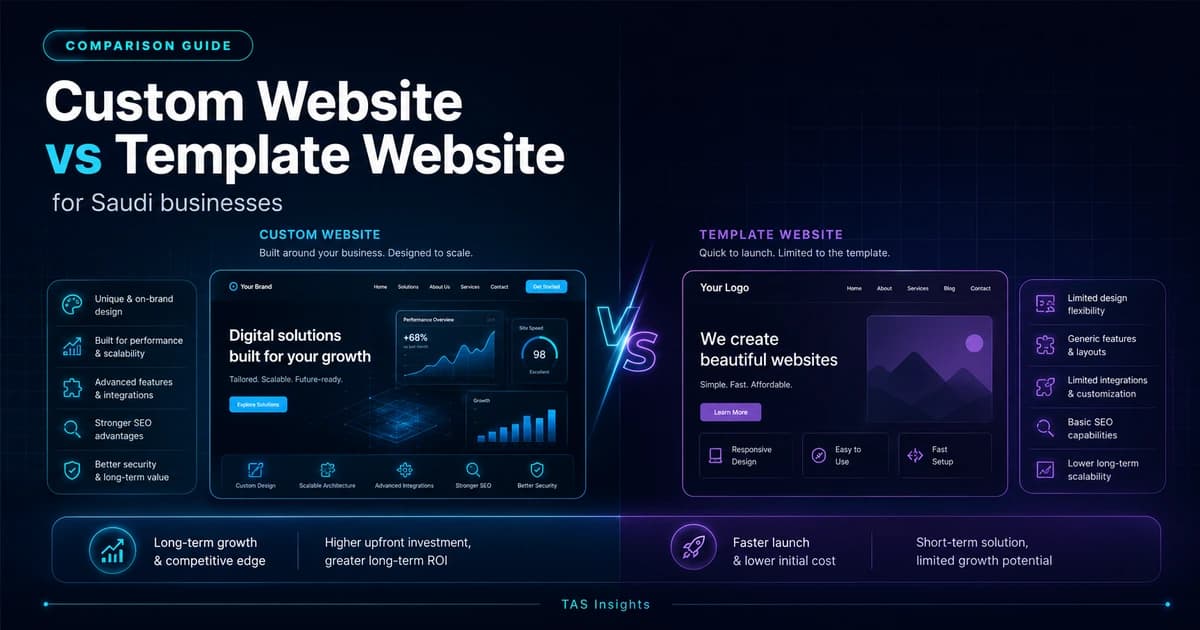
The decision is not whether custom is always better. It is whether the business needs enough differentiation, control or functionality to justify custom ownership.
Quick Answer
Use a template for standard needs; go custom for real constraints
A template website can be the right choice for a small business that needs a standard structure, fast launch and simple editing. A custom website is more suitable when the brand, bilingual experience, SEO architecture, integrations or user workflows cannot be supported cleanly by an existing template.
Key Takeaways
What matters before the build begins
These points define the decision behind the search query and keep the project grounded in business value.
Templates reduce initial design and development effort when requirements are standard.
Custom design creates value only when it supports differentiation or a specific journey.
A heavily modified template can become more expensive than a clean custom component system.
SEO quality depends on implementation and content, not the label custom or template.
Arabic and English behaviour should be tested in the chosen system before commitment.
Long-term ownership includes updates, licences, code quality and migration options.
Definitions
What custom and template actually mean
A template website starts from a pre-designed theme or layout system. Colours, typography, content and some sections can be changed, but the underlying structure and interaction patterns are inherited. This can reduce delivery time when the business accepts those boundaries.
A custom website starts from the business requirement and creates a tailored information architecture, component system and implementation. Custom does not mean every pixel must be unique. Good custom development still uses reusable components and established libraries; the difference is that the system is composed around the project rather than forcing the project into a fixed theme.
Side-by-Side
Custom website vs template website comparison
| Factor | Template website | Custom website |
|---|---|---|
| Launch speed | Usually faster for standard content | Longer discovery and design when requirements are unique |
| Initial cost | Lower when modifications remain limited | Higher because strategy, design and engineering are tailored |
| Brand differentiation | Restricted by inherited layout patterns | Greater control over hierarchy, interaction and visual system |
| Integrations | Best with supported plugins and standard APIs | Can be designed around custom systems and workflows |
| SEO control | Depends on theme quality and configuration | Greater template and rendering control with competent implementation |
| Maintenance | Theme, plugin and platform updates | Engineering maintenance and controlled dependencies |
| Migration | May depend on platform and proprietary builder | Depends on code, CMS and documented data ownership |
Real Project Visuals
Platforms and websites built across different business models


Template Fit
When a template website is the sensible choice
A template is suitable when the website has a familiar structure, limited integrations, prepared content and no requirement for a distinctive digital experience. Examples include a small professional profile, a temporary campaign or an early validation site where speed matters more than long-term flexibility.
The key is restraint. Select a template that already supports the required layout, mobile behaviour, language direction and content types. Excessive modification can create fragile code and erase the cost advantage.
A template is likely enough when
- The page structure is standard
- No unusual customer workflow is required
- Supported integrations cover the need
- The brand accepts the available layout system
- Content editing is simple
- The business can operate within platform limits
Custom Fit
When custom development creates business value
Custom work becomes justified when the website must support a specific conversion journey, integrate with internal systems, manage structured multilingual content, present complex services or operate as part of a wider digital product. It is also valuable when brand experience is a competitive asset rather than decoration.
The business should be able to name the constraint that a template cannot solve cleanly. Without that reason, custom development can become expensive preference rather than useful investment.
Custom customer journey
Booking, qualification, configuration, dashboards or account workflows.
Complex content model
Projects, locations, services, products and related entities managed consistently.
Deep integrations
CRM, ERP, payments, inventory, maps, messaging or proprietary APIs.
Bilingual design system
Arabic and English layouts planned as one reusable component architecture.
Planning Check
Need help turning the requirement into the right scope?
Share the website goal, required pages, languages, integrations and timeline. TAS can help you identify whether the project needs a focused business website, a custom platform or a staged roadmap.
Ask TAS on WhatsAppQuality
Custom is not automatically faster, safer or better for SEO
A poorly built custom site can perform worse than a well-maintained template. SEO depends on helpful content, crawlable architecture, metadata, internal links, rendering, performance and ongoing editorial work. Security depends on code quality, updates, hosting, access control and operational discipline.
Evaluate the actual implementation plan. Ask how images are optimised, what runs in the browser, how updates are managed, how backups work and how the team will test both Arabic and English pages.
Lifecycle Decision
Compare three-year ownership, not only launch cost
A template may include recurring platform, theme and plugin fees. A custom website may require ongoing engineering support. Either can be cost-effective if the operating model is understood. The expensive outcome is an architecture the business cannot safely update or migrate.
List the expected content changes, campaigns, integrations and future features. Then compare how each approach handles them. This exposes whether the initial saving is real or simply moves cost into later work.
Future Proofing
Check how content and data can leave the platform
A website decision should include an exit path. Ask how pages, media, products, users and structured records can be exported. Proprietary builders may make visual layouts difficult to migrate even when text can be downloaded. Custom systems also create lock-in if the code is undocumented or depends on unavailable developers.
Keep domains, analytics, search tools and critical third-party accounts under business ownership. Maintain current backups and a simple inventory of services. For a template system, document theme and plugin dependencies. For custom development, document repositories, environments, deployment and data models.
Migration planning does not mean the business expects failure. It is ordinary operational resilience. A provider that supports clean ownership and documentation is easier to trust for long-term work.
Commercial Transition
How TAS decides between template, configured platform and custom build
TAS reviews the customer journey, content model, languages, integration depth, design requirements and internal operating capacity. If a standard platform solves the requirement responsibly, there is no benefit in adding unnecessary custom code.
When the project requires a tailored component system or web application behaviour, TAS can define a custom scope and keep it modular. The recommendation should explain the value of every custom element rather than using “bespoke” as a sales label.
TAS Project Evidence
What these decisions look like in real digital products
The examples below are presented as TAS project showcases. They demonstrate different website and platform patterns without inventing performance results or claiming that one architecture fits every business.
Digital Product · Subscription · AI Experience
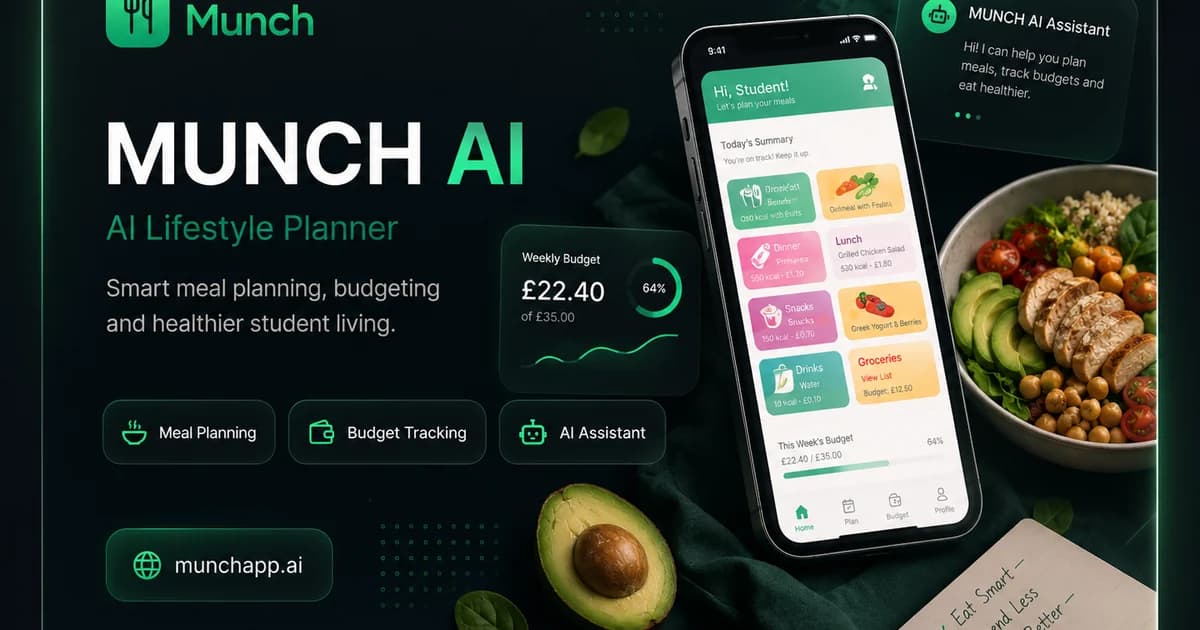
MUNCH AI
A consumer digital product combining public web pages, mobile applications, subscriptions and AI-assisted lifestyle features.
View live projectBrand Website · Creative Presentation
Vendedor
A visually led brand experience showing how design direction, message hierarchy and conversion paths can work together.
View live projectConsulting Website · Lead Generation
IBERO
A B2B consulting presence structured around services, credibility, strategic positioning and lead-generation actions.
View live project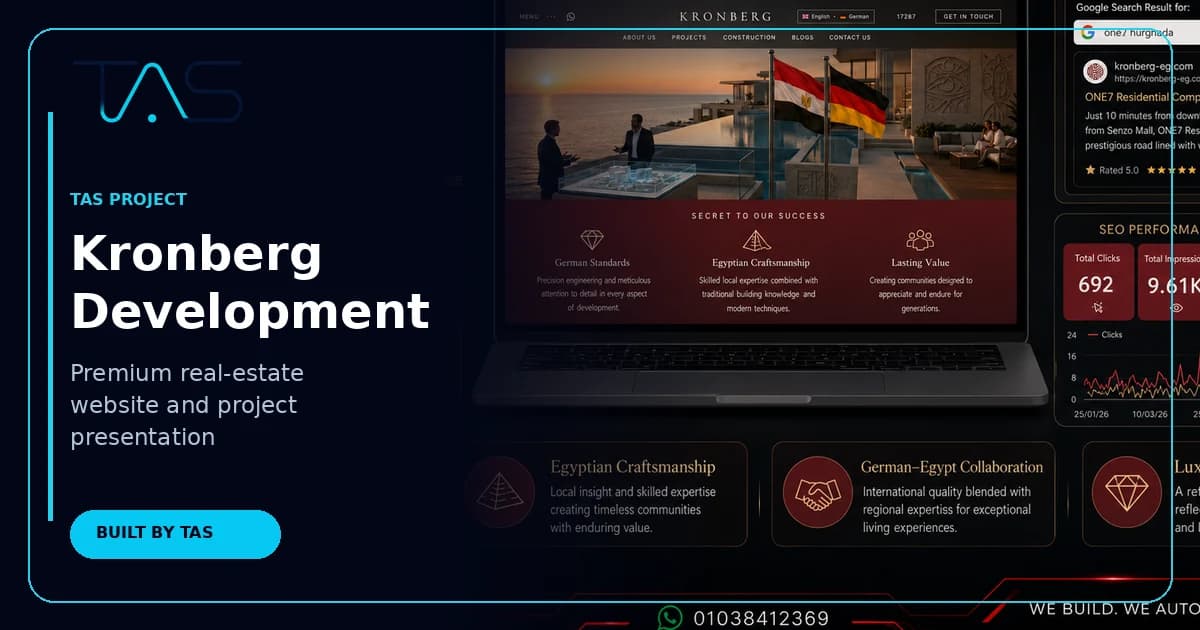
Real Estate Website · Project Presentation
Kronberg Development
A premium real-estate presentation built around development storytelling, project discovery, multilingual content and enquiry generation.
Discuss a similar TAS project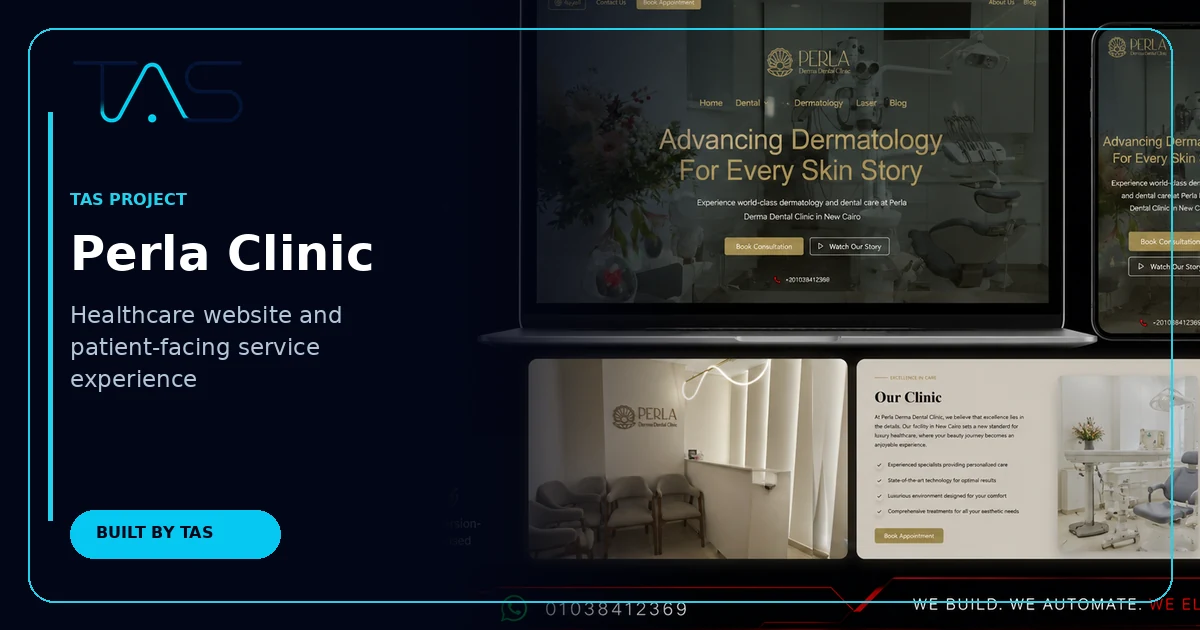
Healthcare Website · Service Discovery
Perla Clinic
A healthcare-focused web experience presenting specialist services, treatment information and clear patient enquiry paths.
Discuss a similar TAS projectConnected TAS Guides
Web development connects to automation, CRM and AI
These existing TAS guides cover adjacent decisions without competing with the web development cluster.
Frequently Asked Questions
Custom Website vs Template FAQs
Is a custom website better than a template website?+
Not in every case. A template is often better for a standard site that needs a fast, economical launch. Custom development is better when the business needs unique journeys, structured bilingual content, integrations, stronger brand differentiation or product-like functionality.
Is a template website bad for SEO?+
No. A template can rank when it has useful content, crawlable links, good metadata, clean rendering, performance and proper internal linking. Problems arise when the theme is bloated, produces duplicate pages or prevents control of important SEO elements.
When is a custom website worth the cost?+
It is worth considering when standard systems cannot support the required workflow, integrations, bilingual experience, content model or brand strategy without heavy modification. The business should be able to explain the operational or commercial value of the custom work.
Can a template website become custom later?+
Sometimes, but migration effort depends on the platform, content storage, theme structure and proprietary features. Plan data ownership and export options early. A heavily modified template may be harder to migrate than a clean standard implementation.
Does TAS build both template and custom websites?+
TAS can recommend configured platforms or custom development based on the requirement. The goal is to use the simplest architecture that supports the business responsibly, not to force every project into the same delivery model.
Next Step
Choose the level of customisation the business can justify
Share your required pages, languages, integrations and customer journey. TAS can identify where a standard platform is enough and where custom work creates real value.
Authoritative sources and further reading
Technical standards and platform guidance change. Review the current source before making a final architecture, security or compliance decision.
- Google Search Essentials
- Google SEO Starter Guide
- Google crawlable links best practices
- Google canonical URL guidance
- Google image SEO best practices
- Google Article structured data
- web.dev Core Web Vitals guidance
- W3C Web Content Accessibility Guidelines
- W3C guidance for text direction and RTL content
- WordPress documentation
- Next.js server and client components guidance
- OWASP Top 10 web application security risks